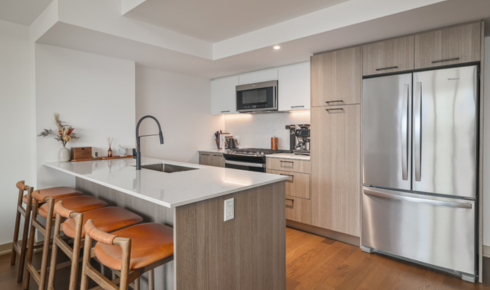
It depends on where you live, but in many places, small interior changes that don’t affect structure, plumbing lines, or electrical systems often don’t need formal permits. Things like painting, changing flooring, replacing cabinets, or swapping out light fixtures are usually considered cosmetic.
However, the moment you start doing anything that touches load-bearing walls, rewires circuits, alters plumbing routes, or changes the use of a room (for example, turning a bedroom into a kitchen), local regulations may kick in. Apartment buildings and gated communities can have their own rules too, even for interior work – noisy jobs, working hours, waste disposal and so on.
The safest approach is to check once, not guess. A quick call to your local municipality, building management, or a trusted contractor can clarify what’s allowed without paperwork. Skipping permits for major changes can come back to bite you later, especially during resale or insurance claims.
So for a truly small renovation – new tiles, new cabinets, fresh paint – you’re often fine. But for anything that affects safety, structure, or the main systems of the house, it’s smart to confirm the rules before the first hammer swings.