

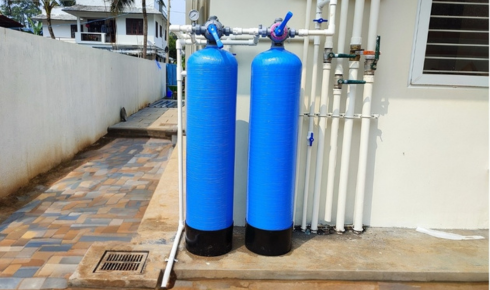
Ever taken a long drink of water straight from the tap, only to wonder halfway through if it was truly clean? Yeah, me too. It’s easy to assume water is safe when it looks crystal clear—but the truth is, clarity doesn’t always mean purity. That’s where the deeper conversation around water quality begins, and it goes far beyond the obvious.
In today’s world—where environmental concerns and public health are tangled together tighter than ever—understanding how we treat, filter, and soften our water isn’t just for plumbers and scientists. It’s for anyone who turns on a faucet and expects more than just wet stuff to come out.
The Unseen Essentials of Clean Water
Most of us never really think about what happens before that glass of water hits our lips. But there’s a fascinating (and sometimes concerning) journey behind it—rivers, underground aquifers, municipal plants, miles of aging pipes. All of it adds flavor, both literally and figuratively.
Municipal water treatment systems are our first line of defense against waterborne illness, industrial pollutants, and agricultural runoff. But even these processes aren’t perfect. Chlorine kills bacteria but can react with organic matter to form byproducts. Fluoride helps teeth but raises eyebrows. And aging infrastructure means contaminants can sneak back in before the water reaches your home.
That’s why it’s not enough to assume your tap is “probably fine.” Smart homeowners and renters alike are starting to ask questions—real ones—about the journey from source to sink.
Filtering Out More Than Just Dirt
Now, let’s talk about the filters. Not the Instagram kind—the ones that actually make a difference in your daily life. You’ve probably seen the jugs, the faucet attachments, the under-sink units… but the world of water filtration goes much deeper.
Different filters serve different purposes. Some target chlorine taste. Others go after heavy metals like lead or mercury. More advanced systems—like reverse osmosis—can even remove pharmaceutical residues or microplastics (yep, those are in our water now, too). It’s all about identifying what’s in your water and choosing a solution that speaks to those specific issues.
And while those filters at the grocery store may be a good start, they’re not a catch-all. Water chemistry can vary dramatically by region, even block by block. That’s why getting a water test before choosing a filtration method isn’t overkill—it’s common sense.
Hard Water: The Silent Saboteur of Pipes and Skin
Ever noticed crusty white buildup on your faucets? Or your soap just never seems to lather right? Welcome to the not-so-wonderful world of hard water. It’s not dangerous, but it’s definitely annoying—and expensive over time.
Hard water is loaded with minerals like calcium and magnesium. Over time, those minerals clog up your pipes, wear down your appliances, and dry out your skin and hair. That’s where a water softener comes into play. These systems work by swapping those pesky minerals with sodium ions, effectively “softening” the water and preventing scale buildup.
But here’s the kicker: not everyone needs a softener. In fact, over-softening can lead to salty water that’s not ideal for people on low-sodium diets. Again, testing matters. It’s all about balance—and choosing tools that fit your lifestyle, not just trends.
Beyond the Faucet: The Bigger Impact
Clean water isn’t just about comfort. It’s about health, sustainability, and long-term cost savings. Think about it: when your appliances work more efficiently, they last longer. When your skin isn’t irritated by harsh minerals, you buy fewer lotions or treatments. When your family isn’t exposed to unknown contaminants, you sleep better at night.
There’s also the broader environmental impact. Households that invest in water-conscious systems waste less water overall. Some even go a step further, integrating rainwater harvesting or greywater recycling. It’s not just good citizenship—it’s future-proofing your home in a world where water scarcity is becoming a serious concern.
Making the Right Choice: Don’t DIY Blindly
If there’s one thing to take from this, it’s that choosing a water solution isn’t a one-size-fits-all game. Your neighbor might need a high-end filtration system because they’re on well water. You might just need a simple under-sink filter. Someone across the country might need both a filter and a softener, while you might need neither.
The real key? Start by asking questions. Get your water tested—either through a DIY kit or by hiring a professional. Look into your municipal water report. Pay attention to signs of hard water, funny tastes, or skin issues. Only then can you choose what makes sense for your water, your health, and your home.
Closing Thoughts: Water Wisdom, Not Hype
We live in an age where you can customize everything from your coffee order to your newsfeed. Shouldn’t your water quality deserve the same attention?
It’s easy to get overwhelmed by jargon and marketing, but clean, safe, and effective water doesn’t need to be complicated. It needs to be thoughtful. With a bit of research and the right tools, you can transform your water from a question mark into a source of confidence—one glass at a time.
