If you’ve ever watched a brand-new driveway or slab get ripped open, all because someone forgot to allow for a pipe or cable, you already understand why underground planning matters so much. It’s frustrating, expensive, and very much avoidable. Most of the time, the issue isn’t poor-quality materials; it’s that the planning didn’t happen as a complete picture.
That’s where PVC conduit, DWV pipe, and concrete pits come in. These three systems often live in the same underground space, yet they’re frequently designed separately. When they’re planned together from the start, everything works better. When they’re not, you’re almost guaranteed clashes, delays, and future headaches. Let’s talk about why co-ordinating them early just makes sense.
Get the Big Picture First (Before Digging Anything)
A lot of underground problems start with good intentions and bad co-ordination. Electricians focus on where PVC conduit needs to run. Plumbers design DWV pipe layouts based on drainage requirements. Civil designers place concrete pits where access or drainage seems logical. On paper, each plan can look great on its own.
The trouble is, underground space is limited. Pipes and conduits can’t magically pass through each other, and concrete pits don’t politely move out of the way. When everything is planned together, conflicts are spotted early, before a shovel hits the ground.
It’s helpful to address a few basic enquiries at this point:
- Where will services run independently or cross?
- Which system requires more depth than the others?
- In a few years, where will access be required?
Early detection of these things can save thousands of dollars in the future.
PVC Conduit Depends on Clear, Protected Pathways
With good reason, PVC conduit is a common option for underground information and electrical runs. It is rather simple to install, long-lasting, and corrosion-resistant. However, appropriate circumstances are still necessary for it to function successfully.
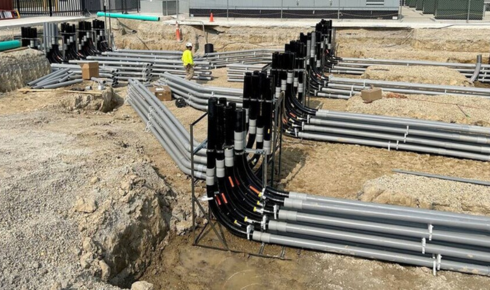
Conduit functions best when its path is clear, its bends are smooth, and it has enough cover to shield it from concrete structures or traffic loads. It gradually becomes vulnerable if it is jammed under a concrete pit, placed as an afterthought, or wrapped around an existing DWV pipe.
Imagine trying to slide a new cable through a conduit that’s been crushed slightly or bent too sharply. It’s like pulling a rope through a kinked garden hose. Planning conduit routes alongside pits and pipes allows electricians to keep runs clean, accessible, and future-proof.
DWV Pipes Require Slope, Space, and Stability
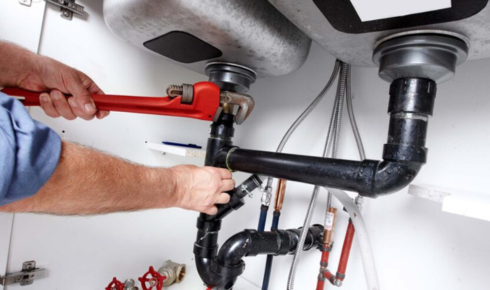
Conduit can handle changes better than DWV pipes. It must keep its slope constant because it depends on gravity. There isn’t a way around that. Blockages, poor drainage, and compliance problems can result from even minor elevation changes.
The DWV pipe frequently needs to be rerouted at the last minute when concrete pits are placed without taking drainage lines into account. This could result in uneven offsets, additional fittings, or an unacceptable slope. In the long run, none of those is ideal.
DWV pipe will have the space and alignment it requires if it is planned along with PVC conduit and concrete pits. It’s a win-win situation with fewer bends, improved flow, and less overall stress.
Concrete Pits Are Permanent—Mistakes Last
When a concrete pit is in place, it will not be going anywhere anytime soon. These construction projects involve heavy investment and will not be removed from the site they were constructed on easily.
When excavation projects are undertaken without knowing where the conduit and pipes will go, excavations will regularly land right on top of where these things exist. This makes maintenance a problem down the road. Often, minor fixes ended up becoming major tasks, the kind of work that’s difficult and frustrating.
By designing the pits and underground services in combination, builders can prevent such conflicts and improve the regions where the pipes and conduits run beside. It’s much easier to plan on paper than to deal with once all the services are buried.
Shared Trenches Save Money—If Done Right
Digging is one of the most expensive parts of underground work, so shared trenches are an obvious cost-saver. Installing PVC conduit and DWV pipe in the same trench can work really well, but only if it’s properly planned.
Spacing, depth, and installation order all matter. Drainage usually goes in first, followed by conduit, with concrete pits positioned to suit both. When everyone agrees on the sequence, the job moves faster and cleaner.
Without co-ordination, shared trenches turn into chaos. Extra digging, rushed fixes, and a lot of “who changed this?” conversations tend to follow.
Maintenance and Access Matter More Than You Think
You might forget about what’s below, but it won’t forget to cause problems. Cables need replacing, pipes need inspecting, and pits need cleaning. If access hasn’t been thought through, even minor maintenance can become a huge job.
PVC conduit should lead to accessible pull points. A DWV pipe needs clear paths for cameras or cleaning tools. Concrete pits should be located where lids can be opened safely without disturbing other services. Planning all three together helps make future work simpler and far less disruptive.
Codes, Safety, and Compliance Are Easier to Manage
Building codes don’t just care about individual systems; they care about how those systems interact. There are rules around separation between electrical and plumbing services, as well as structural requirements for concrete pits.
When designs are co-ordinated early, meeting these requirements is straightforward. When they’re not, code issues often show up late, when changes are expensive and time-consuming. Integrated planning keeps projects safer, more compliant, and easier to approve.
The Long-Term Payoff of Integrated Planning
Planning PVC conduit, DWV pipe, and concrete pits together isn’t about making things complicated. It’s about getting it right the first time. When everything is designed to work together, there’s less rework, faster construction, and fewer problems once the job is done. Too often, underground services are planned separately and installed one after another. That’s when things start to clash, adjustments must be made on the spot, and costs go up. By planning everything together from the start, space, access, loads, and future needs are all taken into account early. This makes installation smoother and avoids unnecessary disruption on site.
You don’t see what’s underground every day, but good planning makes a big difference over time. Maintenance is easier, layouts are clearer, and repairs are quicker and less expensive. When pits are placed properly and drainage is set up with the right fall, there’s less risk of blockages, water issues, or damage caused by poor drainage or ground movement.
Conclusion
There are safety and compliance benefits too. When services are co-ordinated, separation distances are easier to meet, loads are managed properly, and inspections are more straightforward. Contractors don’t have to guess or make last-minute changes, and owners can trust that the system below ground will perform as it should. In the long run, well-planned underground infrastructure simply lasts longer. It needs fewer fixes, handles future upgrades more easily, and delivers better value over its life. Thinking ahead below ground makes work above ground much easier and more successful.