Turning off the main water supply should bring everything to a complete stop. No running taps, no refilling toilets, and no sounds of water moving through pipes. When water continues to flow even after the main valve is shut, it immediately signals a serious problem. This is not a minor plumbing inconvenience. In most cases, it points to a fault that requires urgent attention.
Homeowners often discover this issue during a leak, renovation, or emergency. You close the main valve expecting relief, yet water keeps running, or pressure remains in the system. Delaying action in these situations can quickly lead to extensive property damage.
Problems like this almost always require the help of an Emergency Plumber, as uncontrolled water flow can cause structural damage in a very short time. Understanding why this happens helps homeowners respond quickly and limit further harm.
Why Water Should Stop When the Main Is Turned Off
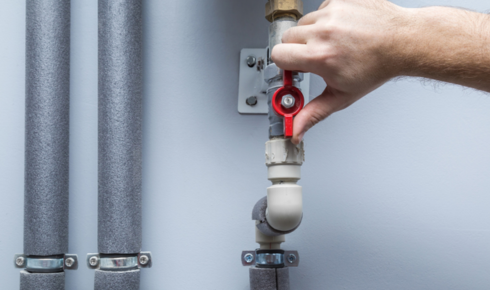
The main shutoff valve controls all incoming water from the municipal supply or a private source. Once closed, no additional water should enter the property. Any remaining pressure in the pipes should dissipate within minutes, and water flow should cease.
When this does not happen, it indicates either that the shutoff valve is not isolating the supply properly or that water is entering the system from another source. Both scenarios point to deeper plumbing faults that should never be ignored.
Burst Underground Pipes Before the Shutoff Valve
One of the most serious causes is a burst underground pipe located before the main shutoff point. In many older homes, the shutoff valve is inside the property, while the supply line runs underground from the street or meter.
If this underground section fails, water can continue flowing even after the valve is closed because the leak occurs upstream of the isolation point. This often leads to water pooling beneath floors, flooding foundations, or surfacing unexpectedly in the yard or driveway.
This type of damage can waste thousands of litres of water and undermine the structural stability of the home. Locating and isolating these leaks requires specialised equipment and professional expertise.
Faulty or Worn Main Shutoff Valves
Another common cause is a failing main shutoff valve. Over time, valves can corrode, seize, or break internally. When this happens, the handle may turn normally, but the internal mechanism no longer seals completely.
The result is a valve that appears closed but continues to allow water through under pressure. This issue is particularly common in properties that have not had plumbing upgrades for decades.
A faulty shutoff valve removes your ability to control water flow during an emergency, turning a manageable issue into a critical situation that requires immediate professional intervention.
Backflow from Cross-Connected or Damaged Lines
Backflow can also cause water to keep running after the main supply is shut off. This occurs when water reverses direction due to pressure imbalances within the plumbing system.
Illegal cross-connections, damaged pipes, or malfunctioning backflow prevention devices can allow water from irrigation systems, neighbouring properties, or shared infrastructure to feed back into the home. This situation is especially dangerous because contaminated water may enter clean supply lines.
Backflow issues are complex and hazardous and must be handled by licensed professionals with appropriate training.
Stored Water Is Rarely the Real Cause
In some cases, water may continue flowing briefly due to stored pressure in elevated systems such as rooftop tanks, hot water units, or gravity-fed storage. However, this flow should slow and stop quickly.
If water continues to run steadily for an extended period, stored water is not the cause. Persistent flow always indicates an active supply or leak that requires immediate investigation. Delaying action at this stage often allows damage to escalate unnoticed.
Why This Is a True Plumbing Emergency
Uncontrolled water flow is one of the fastest ways to damage a property. Water does not remain on surfaces. It penetrates walls, floors, insulation, and foundations, weakening materials and encouraging mould growth.
Electrical systems are also at risk. Water reaching wiring, switchboards, or outlets creates serious safety hazards and increases the risk of electrical fires once power is restored.
Because the source of the problem is often hidden, damage can continue silently. This is why any situation where water does not stop after the main valve is shut must be treated as an emergency.
How Professionals Resolve the Problem
A licensed plumber responds by first determining whether the shutoff valve is functioning correctly or if the leak exists before the isolation point. Using pressure testing, acoustic leak detection, and system mapping, they can identify underground or concealed failures without unnecessary demolition.
Once located, the faulty section is isolated, water flow is stopped, and immediate repairs or temporary containment measures are put in place. In severe cases, plumbers may coordinate with local water authorities to shut off the supply at the street level while repairs are completed.
Where damaged pipes are identified, permanent solutions such as drain Repair may be required to restore system integrity and prevent future failures.
Preventing This Issue in the Future
While not all emergencies can be predicted, regular inspection of main shutoff valves helps ensure they function correctly when needed. Replacing ageing valves before failure significantly reduces risk.
Homes with older plumbing systems or frequent pressure fluctuations should undergo professional assessments. Addressing minor leaks and pipe wear early lowers the likelihood of sudden, catastrophic failures.
Knowing the location of your shutoff valve and testing it periodically can make a critical difference during emergencies.
Conclusion
If water continues running after you have turned off the main supply, it is not a problem to observe or delay. It is a clear warning sign of a serious plumbing failure that can escalate rapidly.
Immediate action is essential. Contacting emergency plumbing services ensures the issue is isolated, damage is minimised, and your home is protected from long-term structural harm. When water will not stop, neither should your response.
FAQs
Why does water keep flowing after I turn off the main valve?
This usually occurs due to a faulty shutoff valve, a burst pipe before the isolation point, or backflow from another source.
Is it safe to stay in the house if the water won’t stop running?
It may be unsafe, especially if water is reaching electrical systems or structural components. Immediate professional assistance is recommended.
Can I repair a faulty main valve myself?
No. Main shutoff valves control the entire water supply and should only be repaired or replaced by licensed professionals.
How quickly can water damage occur in this situation?
Significant damage can begin within minutes and worsen rapidly, particularly if the leak is concealed.
Who should I contact first when this happens?
Contact an emergency plumbing service immediately. If required, they can coordinate with water authorities to shut off the supply at the source.