

There’s a quiet routine most of us never question. You wake up, turn on the tap, brush your teeth, make coffee, rinse dishes, maybe take a long shower before heading out. Water flows so easily into our daily lives that it almost feels invisible — like air. We only start paying attention when something seems off.
Maybe it’s a strange smell while washing hands. Maybe soap refuses to lather properly. Or perhaps there’s that stubborn white residue forming on faucets and showerheads. At first, it seems minor. But over time, these little signs begin to add up, hinting at something deeper: the quality of the water running through your home.
And that’s when many homeowners start realizing something important — water isn’t just about availability. It’s about what’s in it.
The Hidden Story Behind Tap Water
Water travels a long journey before reaching your home. Along the way, it can pick up minerals, sediment, chemicals, or even contaminants depending on local infrastructure and environmental conditions.
Some of these elements are harmless, while others can affect taste, odor, and long-term health. Hard water, for example, contains high levels of calcium and magnesium, which may not pose direct health risks but can create noticeable inconveniences.
Soap doesn’t rinse easily. Laundry feels stiff. Appliances like kettles and water heaters accumulate scale buildup. Over time, this can reduce efficiency and increase maintenance costs.
Understanding what’s in your water is the first step toward addressing these issues.
When Hard Water Becomes a Daily Frustration
Many homeowners discover hard water through everyday experiences rather than lab reports.
You might notice dull-looking dishes after washing. Hair feels dry despite using conditioner. Skin becomes irritated more easily. These subtle effects often lead people to explore solutions like water softeners.
Water softeners work by removing excess minerals that cause hardness. The result is water that feels smoother, cleans more effectively, and reduces buildup on plumbing fixtures.
For many families, installing a softener brings immediate improvements — softer laundry, shinier dishes, and less frequent cleaning.
It’s a small change that often makes a surprisingly big difference in daily comfort.
Looking Beyond the Kitchen Sink
While treating water at individual faucets can help, many homeowners prefer comprehensive solutions that address water quality throughout the entire house.
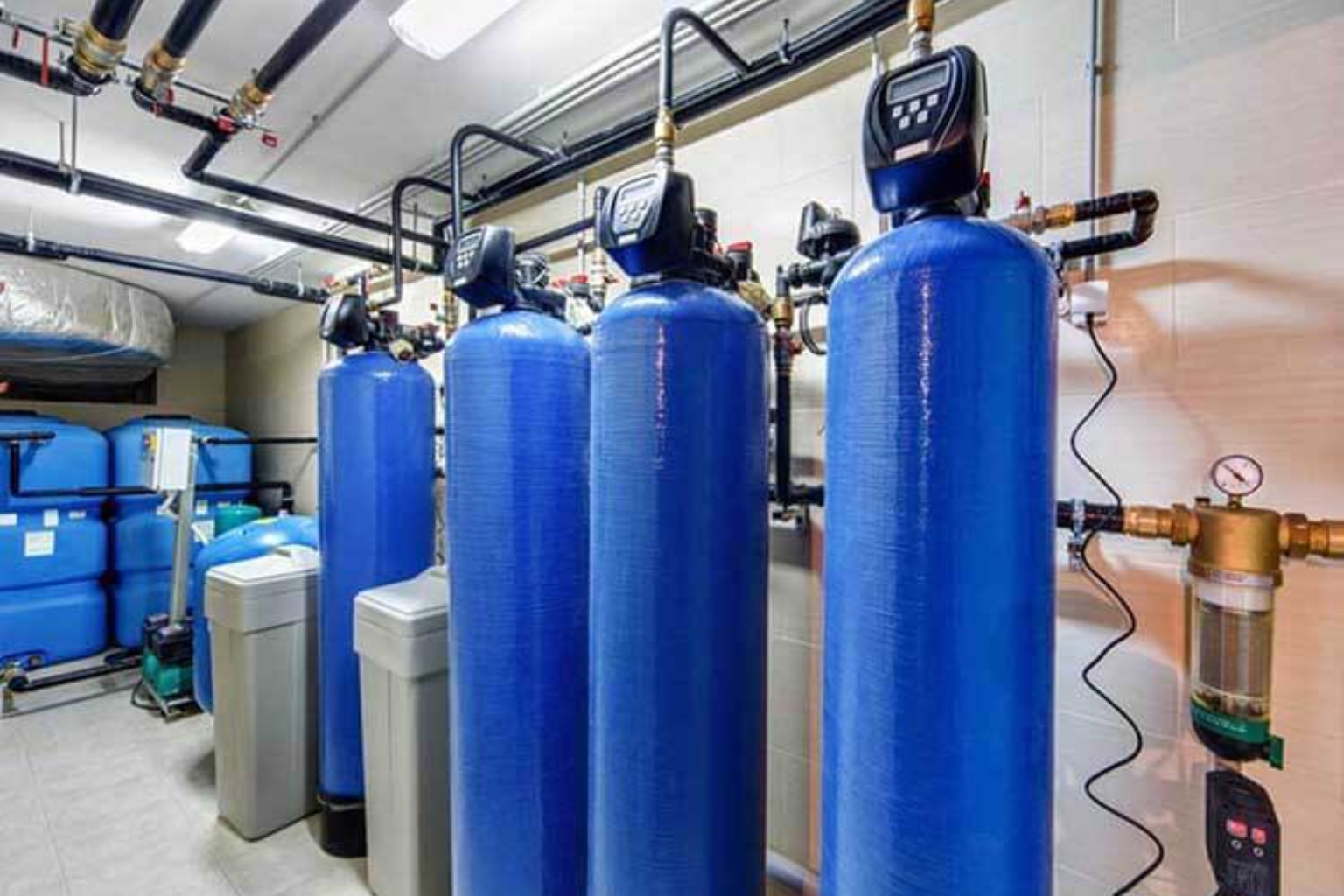
This is where whole house water treatment systems come into play. Instead of targeting a single tap, these systems filter and condition water at the point where it enters the home.
That means every shower, appliance, and faucet benefits from improved water quality.
Whole-house systems can remove sediment, chlorine, and other impurities while also reducing hardness. This not only enhances daily comfort but also helps extend the lifespan of plumbing systems and appliances.
Over time, these benefits can lead to noticeable cost savings.
The Importance of Knowing Your Water First
Before choosing any treatment solution, it’s essential to understand the specific characteristics of your water.
Different regions face different water challenges. Some areas deal with high mineral content, while others may have issues with iron, sulfur, or chemical residues.
This is why many providers offer free water testing services. These tests analyze mineral levels, contaminants, and overall water composition.
The results provide a clear picture of what’s actually present in your water, allowing homeowners to select treatment systems tailored to their needs.
Without testing, it’s easy to invest in solutions that don’t fully address the problem.
The Comfort Factor You Didn’t Expect
Improving water quality often brings unexpected benefits beyond practical improvements.
Showers feel more refreshing. Skin feels less dry. Cleaning becomes easier and more efficient. Even the taste of drinking water can improve noticeably.
Many homeowners describe the experience as subtle but meaningful — something they didn’t realize they were missing until they experienced it.
Water touches nearly every part of daily life, so enhancing its quality can have a broad impact on overall comfort.
Protecting Plumbing and Appliances
One of the most practical advantages of water treatment systems is their ability to protect household infrastructure.
Hard water can cause scale buildup inside pipes, reducing water flow and increasing pressure on plumbing systems. Appliances like dishwashers and water heaters also become less efficient over time when exposed to mineral deposits.
Treating water helps prevent these issues, extending the lifespan of equipment and reducing repair costs.
For homeowners, this translates into long-term savings and fewer unexpected maintenance problems.
Environmental Considerations
Improved water quality can also support environmental sustainability.
When water is softened and filtered effectively, households often use less soap, detergent, and cleaning products. This reduces chemical waste and lowers overall environmental impact.
Additionally, efficient appliances operating with treated water consume less energy, contributing to reduced energy consumption.
These environmental benefits add another layer of value to water treatment systems.
A Small Upgrade With Lasting Impact
It’s easy to overlook water quality because it operates quietly in the background of everyday life.
But once homeowners begin paying attention, they often discover how significantly it influences comfort, efficiency, and long-term costs.
From smoother showers to longer-lasting appliances, the advantages of improved water quality extend throughout the home.
And perhaps that’s what makes it so worthwhile — it’s not about dramatic changes. It’s about enhancing the everyday experiences we rely on most.
Because at the end of the day, the water flowing through your home isn’t just a utility. It’s a part of your daily life, shaping comfort in ways you may not even notice — until it gets better.
