

There’s something oddly comforting about pouring a glass of water from your kitchen tap. It feels simple. Routine. Almost automatic. But if you pause for a moment—really think about what’s flowing through those pipes—you start to wonder: is it truly as clean and safe as it should be?
Most people assume municipal water treatment does the job perfectly. And in many cases, it does a decent job. Yet “decent” doesn’t always mean ideal. Tap water can still carry traces of minerals, chlorine, sediments, or even microscopic contaminants. That’s why more homeowners today are quietly investing in better ways to improve the water they use every single day.
Let’s talk about it—the practical side of cleaner water at home and why it matters more than people often realize.
The Subtle Problem With Hard Water
If you’ve ever noticed chalky white residue on faucets or glassware that never quite looks spotless, you’ve probably experienced hard water. It’s surprisingly common.
Hard water contains higher levels of dissolved minerals like calcium and magnesium. While it’s not necessarily dangerous to drink, it can quietly create problems around the house. Soap doesn’t lather well. Laundry feels stiff. Skin sometimes feels dry after showering.
Over time, the minerals also build up in plumbing systems and appliances. Water heaters, dishwashers, and washing machines tend to work harder than they should. That extra strain eventually shortens their lifespan.
That’s where water softeners come into the picture. These systems remove excess minerals before water travels through your home’s plumbing. The result? Softer water that’s gentler on appliances, kinder to skin and hair, and far less frustrating when it comes to cleaning.
Honestly, many people don’t realize how much difference softened water makes until they experience it. Suddenly soap works properly again. Towels feel softer. Dishes actually sparkle.
Not All Contaminants Are Visible
Now here’s the tricky part about water quality: the biggest concerns are often invisible.
Tap water can contain trace amounts of chlorine, sediment, heavy metals, or agricultural runoff depending on where you live. Municipal treatment facilities remove most of these substances, but tiny amounts sometimes remain. Over years of exposure, those traces can become a concern for some households.
That’s why more homeowners are turning toward water filtration solutions for added protection. Filtration systems act as an additional layer between the source and your glass. They can remove impurities that standard treatment may miss or leave behind.
There’s also something reassuring about having control over your water quality. It’s a small upgrade that offers peace of mind every single day.
And let’s be honest—filtered water simply tastes better. Many people notice the difference immediately. No metallic aftertaste. No chemical hint. Just clean, neutral water that feels fresh.
The Growing Popularity of Advanced Purification
Of course, filtration alone isn’t the only option available today. Technology has come a long way in the past decade, especially when it comes to home water purification.
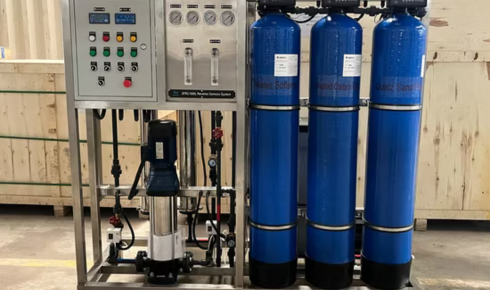
One of the most trusted methods is reverse osmosis systems, which use a specialized membrane to remove extremely small contaminants from drinking water. The process pushes water through a semi-permeable barrier that blocks unwanted particles, including certain chemicals, salts, and microorganisms.
The end result is remarkably pure drinking water.
You’ll often see these systems installed beneath kitchen sinks. They quietly produce highly purified water for drinking, cooking, and making coffee or tea. For families concerned about water safety, it’s a practical solution that provides an extra layer of confidence.
Interestingly, many households combine multiple technologies—softening, filtration, and reverse osmosis—to address different water issues simultaneously.
It’s not overkill. It’s just smart planning.
Everyday Benefits People Don’t Expect
When people think about improving water quality, they usually focus on health. And yes, that’s important. But the everyday benefits often end up being the bigger surprise.
For example:
- Showers feel smoother and less drying on the skin
- Soap and shampoo rinse out more easily
- Appliances run more efficiently
- Glassware and fixtures stay cleaner longer
- Drinking water tastes noticeably fresher
Even coffee lovers tend to notice the difference. Water quality plays a big role in how beverages taste. Cleaner water simply produces better flavor.
Small changes like this add up. Over time, households begin to see water systems not as a luxury—but as a practical improvement to daily living.
The Shift Toward Healthier Homes
There’s a broader trend happening right now. People are paying closer attention to the things they use every day—air quality, food ingredients, household materials, and yes, water.
Clean water sits at the center of it all. We cook with it. Drink it. Bathe in it. Wash dishes and vegetables with it.
It’s easy to forget how central water is to daily life until you start thinking about it.
Improving water quality isn’t about chasing perfection. It’s about reducing uncertainty. Creating a home environment that feels a little healthier, a little more reliable.
And for many homeowners, that peace of mind is worth the investment.
Final Thoughts
At the end of the day, water quality isn’t something most people think about constantly—and that’s perfectly normal. Life is busy enough already.
But every once in a while, it’s worth asking a simple question: is the water flowing through your home working as well as it could?
Whether it’s addressing hard water, improving taste, or adding a layer of purification, modern water treatment options give homeowners more control than ever before.
Clean water shouldn’t feel complicated. It should just feel right.
