

There’s a certain moment most people recognize, though it’s hard to describe exactly. Maybe it’s when your morning tea tastes just a little cleaner, or when your skin doesn’t feel tight after a shower anymore. Or maybe it’s simply the absence of something—the lack of that faint smell in the tap water, the dust that doesn’t seem to settle quite as quickly.
A lot of us ignore these small discomforts. We get used to them. Hard water? That’s normal. Dry air? Probably the weather. But over time, these “normal” things start adding up, quietly shaping how we feel in our own homes.
I didn’t really think about it much until a friend mentioned how much better their house felt after installing a system to treat their water. Not dramatic, they said. Just… better. And that word stuck with me.
The Subtle Problem With “Good Enough” Water
We often assume that if water is safe, it’s good enough. Technically, that’s true. But safe doesn’t always mean comfortable—or even pleasant. Minerals like calcium and magnesium, for instance, can make water “hard,” leaving behind residue on your taps, your dishes, even your hair.
That’s where water softeners quietly step in. They don’t shout for attention. They just do their job—reducing mineral buildup, making water feel smoother, helping soaps lather properly again. And suddenly, you notice that your laundry feels softer, your appliances last a bit longer, and your bathroom doesn’t need scrubbing quite as often.
It’s not a life-changing transformation in one day. It’s more like a slow realization: things are easier now.
When Clean Water Isn’t Really Clean
Of course, softness is just one part of the story. Even if your water looks clear, it can still carry contaminants—chlorine, sediment, sometimes even trace chemicals. Not always harmful in small amounts, but enough to affect taste, smell, and long-term quality.
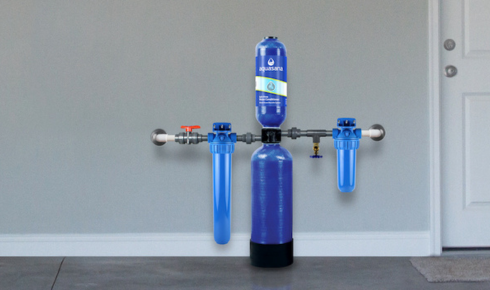
That’s where whole home water filtration systems come into the picture. Instead of treating water at just one tap, these systems work at the source—filtering everything that enters your home. Kitchen, bathroom, laundry—every drop gets the same level of care.
And here’s the thing: you don’t immediately notice filtration the way you might notice a new gadget or appliance. There’s no “wow” moment. But over time, you realize your drinking water tastes cleaner, your coffee somehow improves, and even your cooking feels… more reliable.
It’s subtle, but it adds up.
Air: The Part We Forget About
Water tends to get most of the attention when we talk about home health. But air? That’s something we almost completely overlook—until we can’t.
Maybe it’s allergies acting up for no clear reason. Or that stale feeling in certain rooms, even when the windows are open. Indoor air can carry dust, pollen, pet dander, and sometimes even pollutants that don’t belong in your breathing space.
This is where indoor air quality systems start to make a difference. They’re not flashy, and they don’t demand constant interaction. They just sit quietly in the background, filtering, circulating, improving.
And then one day, you notice you’re sleeping better. Or waking up without that scratchy throat. Or just feeling… lighter, somehow. It’s not dramatic. But it’s real.
It’s Not About Perfection
Here’s the thing: upgrading your home doesn’t have to mean chasing perfection. It’s not about turning your space into something out of a catalog or installing every new system on the market.
It’s more about paying attention.
What feels off? What could be better? Sometimes, the answers are surprisingly simple. Better water. Cleaner air. Small changes that don’t disrupt your life, but quietly improve it.
And yes, there’s an investment involved. But when you think about how much time we spend at home—working, resting, eating, just existing—it starts to make sense. Comfort isn’t a luxury. It’s something we build, piece by piece.
The Quiet Shift Toward Better Living
What I’ve come to realize is that the best home improvements are the ones you don’t constantly think about. They don’t demand attention. They don’t need praise. They just work.
You turn on the tap, and the water feels right. You walk into a room, and the air feels fresh. You go about your day without those tiny irritations that used to be there.
And maybe that’s the real goal—not to create a perfect home, but to create one that supports you without getting in your way.
Because when your environment feels right, everything else seems to fall into place a little more easily. And honestly, that’s more than enough.
