

There’s a strange moment most people have at some point—you pour a glass of water, hold it up to the light, and for a split second, you hesitate. It looks fine. Probably tastes fine. But something in the back of your mind wonders… is it actually clean?
It’s not paranoia. It’s awareness. And lately, more households are paying attention to what’s flowing out of their taps, not just trusting it blindly like we used to.
The Hidden Story in Every Drop
Water doesn’t arrive in your home untouched. By the time it reaches your kitchen sink, it has traveled through miles of pipes, storage systems, and treatment facilities. Along the way, it picks up things—minerals, sediments, sometimes even contaminants you wouldn’t expect.
Municipal treatment does its job, sure. But it’s built for large-scale safety, not necessarily for personal health preferences or taste. That’s where people start looking into water treatment services, not because something is “wrong,” but because they want something better.
It’s a bit like food. Just because it’s edible doesn’t mean it’s ideal.
When Taste, Smell, and Feel Start to Matter
You’ll notice it in small ways first. A faint chlorine smell. Water that tastes a little metallic. Soap that doesn’t quite lather the way it should.
These aren’t dramatic problems, but they add up. Over time, they affect everything—from your morning tea to the lifespan of your appliances. And once you notice it, you can’t really un-notice it.
That’s often the turning point. Not a crisis, just a quiet decision: “Maybe I should fix this.”
Choosing the Right Kind of Filtration
Not all solutions are created equal, and that’s where things get slightly confusing. Some people go for simple pitcher filters. Others install full under-sink setups or even whole-house systems.
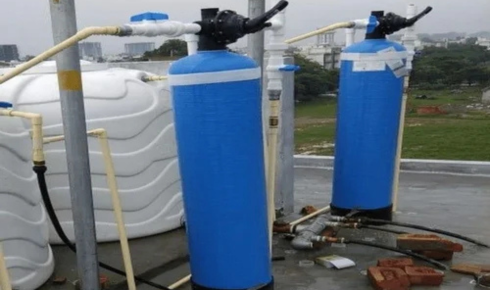
Modern water filtration systems are surprisingly advanced. They can target specific issues—like removing chlorine, heavy metals, or bacteria—without stripping away beneficial minerals. The key is understanding what your water actually contains, not just guessing.
And honestly, most people don’t need the most expensive system. They just need the right one.
Hard Water: The Silent Troublemaker
If you’ve ever noticed white residue on your taps or struggled with dry skin after a shower, chances are you’re dealing with hard water.
It’s not harmful in the traditional sense, but it’s annoying. It clogs pipes slowly, reduces the efficiency of water heaters, and leaves your laundry feeling stiff. Over time, it quietly increases maintenance costs without making a big scene.
That’s why many homeowners consider installing water softeners. These systems reduce the mineral content—mainly calcium and magnesium—making water gentler on both your home and your skin.
It’s one of those upgrades that doesn’t feel dramatic… until you realize how much smoother everything becomes.
It’s Not Just About Drinking Water
People often think water quality only matters for what they drink. But it’s everywhere—your showers, your cooking, your cleaning, even the ice in your freezer.
Think about it: you wouldn’t cook with questionable ingredients, so why ignore the quality of water that goes into every meal?
Better water doesn’t just improve health; it improves daily life in subtle ways. Softer hair, cleaner dishes, longer-lasting appliances. It’s less about luxury and more about removing small, persistent frustrations.
The Balance Between Cost and Value
There’s always that hesitation—“Is this really worth it?”
And it’s fair. No one wants to invest in something unnecessary. But here’s the thing: water systems aren’t just expenses; they’re long-term decisions. They reduce repair costs, improve efficiency, and, perhaps most importantly, give peace of mind.
You’re not just paying for cleaner water. You’re paying for fewer doubts.
A Personal Choice, Not a One-Size Solution
Every home is different. The water in one neighborhood can be completely different from another just a few kilometers away. That’s why there’s no universal answer or perfect system for everyone.
Some people need basic filtration. Others benefit from more advanced setups. The important thing is not to overcomplicate it—start with understanding your water, then take a step that feels right.
It doesn’t have to be perfect. Just better than before.
Final Thoughts: Paying Attention to What We Once Ignored
Water is one of those things we take for granted until we don’t. It’s always been there, always will be… but that doesn’t mean it shouldn’t be questioned.
Improving water quality isn’t about fear. It’s about awareness. It’s about choosing not to settle when a better option exists.
And maybe that’s the real shift happening—not just in homes, but in mindset. People aren’t just asking, “Is my water safe?” anymore.
They’re asking, “Is it the best it could be?”
