

There’s a moment most people don’t talk about — that small hesitation before taking a sip of tap water. It’s not fear exactly, more like a quiet question in the back of your mind. Is this actually as clean as it should be?
For years, we don’t think about it. Water is just… there. Reliable, constant, part of the background. But then something changes. Maybe the taste feels a bit off, or you notice scale building up faster than usual. It’s subtle, easy to ignore at first. Until it isn’t.
The Shift From Assumption to Awareness
We tend to trust that our water is handled somewhere upstream — filtered, treated, managed. And in many cases, it is. But that doesn’t always mean it reaches your home in perfect condition.
Pipes age. Local conditions vary. Even natural elements in the soil can influence what ends up in your glass. That’s where the idea of water treatment starts to make sense, not as a luxury but as a way of taking control over something you use every single day.
It’s not about overthinking. It’s about knowing what you’re dealing with — and deciding what you’re okay with.
What Your Water Might Be Telling You
Water has a way of giving hints. A faint smell. A slightly metallic taste. Spots on dishes that don’t quite rinse away. None of these feel urgent, but together, they paint a picture.
And once you notice, it’s hard to unnotice.
The thing is, every home is different. Someone in a city apartment might have relatively stable water, while a household relying on groundwater could see seasonal changes without even realizing it. So the solution isn’t universal — it’s personal.
Finding the Right Setup Without Overcomplicating It
When people start exploring solutions, they often fall into a rabbit hole of options. Filters, softeners, purifiers — it can feel like a lot.
But it doesn’t have to be.
Most modern water systems are designed to fit into everyday life without making things complicated. Some sit neatly under the sink, others connect to your main supply. The idea isn’t to overwhelm your home with technology, but to quietly improve what’s already there.
And honestly, the best systems are the ones you forget about. They do their job in the background, without constant adjustments or attention.
Starting With What You Know
Before jumping into any setup, there’s one step that makes everything else easier — understanding your water. Not guessing, not assuming, just knowing.
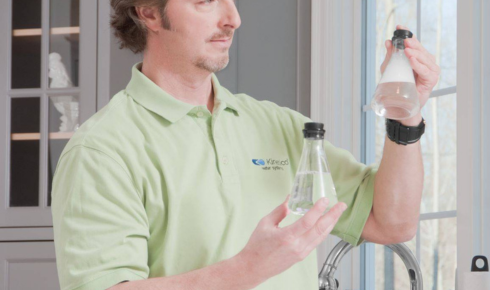
That’s where a free water test can be surprisingly useful. It sounds simple, maybe even a bit too basic, but it often reveals things you wouldn’t expect. Mineral levels, possible impurities, overall balance — it gives you a starting point.
From there, decisions feel less like a gamble and more like a plan.
It’s Not Just About Drinking
We often focus on the water we drink directly. A glass here, a bottle there. But water plays a much bigger role in daily life than we usually acknowledge.
It’s in your cooking, your morning coffee, your showers. It affects how your appliances perform, how your clothes feel after washing, even how your skin reacts over time. So when you improve your water, even slightly, those benefits show up in small, unexpected ways.
Nothing dramatic. Just better.
The Quiet Benefits You Notice Later
One of the interesting things about improving your water is that the changes aren’t always immediate. There’s no big reveal, no sudden transformation.
Instead, it’s gradual. Your tea tastes a bit cleaner. Your kettle doesn’t build up residue as quickly. You stop thinking twice before filling a glass straight from the tap.
And that last part — that’s probably the most valuable.
Keeping It Real and Manageable
It’s easy to overthink all of this. To feel like you need the perfect setup or the most advanced system available. But in reality, even small improvements can make a difference.
Start with awareness. Make one change. See how it feels.
There’s no need to rush into a complete overhaul. Water is part of your everyday life, so any improvement should fit naturally into that rhythm.
A Simple Kind of Confidence
At the end of the day, this isn’t really about technology or systems or even water itself. It’s about confidence — knowing that something so essential is working the way it should.
You won’t think about it every day. In fact, you’ll probably stop thinking about it altogether.
And maybe that’s the goal. Not to constantly worry about your water, but to trust it. Quietly, without hesitation.
Because when the basics are taken care of, everything else feels just a little bit easier.
