

There’s something oddly comforting about turning on the tap and not having to think twice about what’s coming out of it. Most people don’t really notice their water until there’s a problem — maybe the shower leaves skin feeling dry, dishes come out cloudy, or the drinking water tastes a little metallic on hot afternoons. Small things at first. Then suddenly, it becomes hard to ignore.
Over the last few years, more homeowners have started paying attention to what flows through their pipes every single day. It’s not just about convenience anymore. Water quality affects cooking, laundry, plumbing, appliances, and honestly, everyday comfort in ways people often underestimate.
That’s probably why modern water treatment systems have become less of a luxury and more of a practical home upgrade.
The Everyday Signs Most People Miss
Hard water has a sneaky way of making itself at home. You might notice white buildup around faucets or spend extra money replacing appliances earlier than expected. Soap doesn’t lather properly, towels feel stiff after washing, and even coffee can taste slightly “off.” It’s subtle, but it adds up.
I remember visiting a friend whose kettle looked like it had aged ten years in one. Thick mineral scaling everywhere. They thought it was normal because the water still looked clear. That’s the thing — clean-looking water isn’t always balanced water.
Many households live with these issues for years before realizing there are simple solutions available. Once people switch to filtered or conditioned water, they usually say the same thing: “I wish I’d done this sooner.”
Why Water Quality Matters Beyond Taste
Most conversations around home water focus on taste, but that’s only part of the story. Water travels through plumbing systems constantly. If it contains excessive minerals, sediment, chlorine, or contaminants, it slowly impacts everything it touches.
Skin irritation can become more noticeable. Hair may feel dry or brittle. Washing machines and dishwashers work harder than they should. Pipes collect buildup little by little. None of this happens overnight, which is why homeowners often miss the connection.
Installing proper filtration isn’t about chasing perfection. It’s about reducing unnecessary wear on your home and improving daily life in quiet, practical ways.
The Growing Popularity of Home Filtration
Years ago, most people only bought bottled water or attached a small filter to the kitchen sink. Now, homeowners are thinking bigger. Whole-house filtration systems, under-sink purification units, and advanced conditioning technologies are becoming much more common.
Part of that shift comes from awareness. People research what’s in municipal water supplies more than they used to. Others simply get tired of spending money on bottled water every week. Honestly, once you calculate those yearly costs, installing a permanent solution starts making financial sense.
Many families are now combining multiple solutions together — filtration for contaminants, conditioning for minerals, and purification for safer drinking water.
Hard Water Can Quietly Damage a Home
If you live in an area with mineral-heavy water, you already know the struggle. Appliances don’t last as long. Water heaters lose efficiency. Faucets stain easily. Even glass shower doors start looking permanently cloudy after a while.
That’s where water softeners make a surprisingly noticeable difference.
Softened water helps reduce calcium and magnesium buildup inside pipes and appliances. Over time, that can improve energy efficiency and reduce maintenance costs. But beyond the technical benefits, there’s also a comfort factor people talk about a lot. Clothes feel softer. Showers feel cleaner. Soap rinses properly instead of leaving residue behind.
It’s one of those upgrades that sounds boring until you actually experience the difference day after day.
Drinking Water Has Become a Bigger Concern
People have become more selective about what they eat, how they sleep, and even the products they use on their skin. Naturally, water quality has entered that conversation too.
Not all tap water is unsafe, of course. In many areas, municipal systems do a solid job. Still, concerns about chlorine, sediment, aging infrastructure, and contaminants have pushed homeowners toward better filtration options.
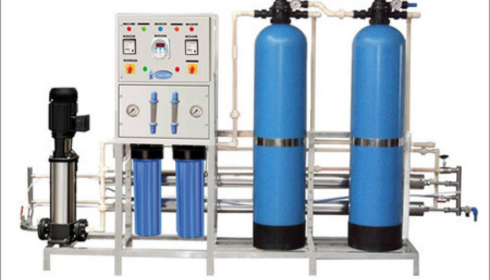
Modern drinking water systems are designed to remove impurities while improving taste and clarity. Reverse osmosis units, carbon filtration, and UV purification technologies have all become more accessible for average households.
And honestly, there’s a certain peace of mind that comes from filling a glass straight from the tap without hesitation.
Choosing the Right System Isn’t Always Simple
This is where people sometimes get overwhelmed. There are countless brands, technologies, and promises online. Some systems are built for hard water. Others focus on taste improvement or chemical reduction. Not every home needs the same setup.
The best starting point is usually understanding your local water quality first. A proper water test can reveal mineral levels, contaminants, pH balance, and other important details. From there, choosing a solution becomes far less confusing.
Some homes benefit from whole-house systems, while others only need targeted kitchen filtration. Bigger isn’t always better. The right fit matters more than fancy marketing.
Clean Water Changes the Feel of a Home
It’s funny how certain improvements don’t seem dramatic until you live with them. Better water is kind of like that. You notice it in small moments — clearer ice cubes, softer laundry, smoother showers, cleaner dishes, better-tasting tea.
None of it sounds life-changing on paper. Yet together, those details shape everyday comfort more than people expect.
A home should feel healthy, comfortable, and reliable. Water plays a huge role in that, even when it stays mostly invisible behind walls and pipes. And maybe that’s why more homeowners are finally paying attention to it now. Not because it’s trendy, but because once you experience cleaner, balanced water consistently, going back feels difficult.
