An accent wall can change the character of a room without requiring a complete interior repaint. For homeowners searching for accent wall painters Arizona, the key is not simply choosing a bold color. Wall placement, lighting, surface condition, finish, and the surrounding décor all influence whether the finished wall feels intentional and balanced.
A successful accent wall should complement the room rather than compete with everything around it. Superior Homes Painting USA helps homeowners approach accent wall projects with attention to color selection, surface preparation, and overall room design. Before selecting paint, consider how the space is used, where natural light enters, and which architectural feature deserves attention.
How Accent Wall Painters Arizona Approach Wall Selection
Choosing the right wall is often the first major decision. A feature wall typically works best when it naturally draws attention.
Good candidates can include:
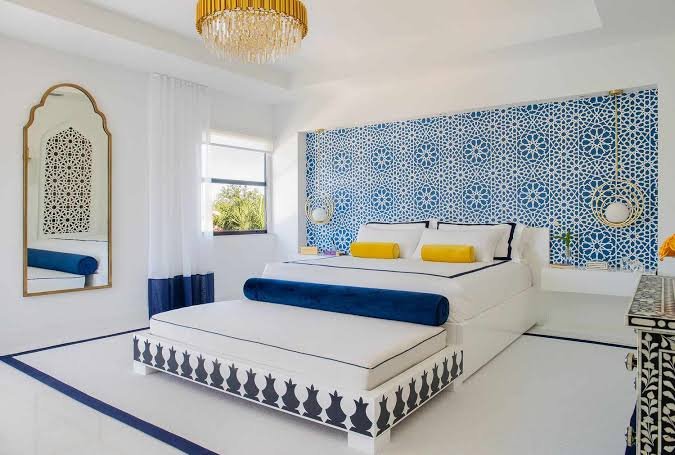
- The wall behind a bed or headboard
- A fireplace wall
- The wall behind a television
- A dining room focal wall
- A recessed or architectural feature
- A wall that receives strong natural light
Avoid selecting a wall simply because it is empty. A wall with an existing architectural feature can often create a stronger visual focal point than a random section of the room.
Room proportions also matter. A very dark color on a narrow wall may make the space feel more enclosed, while a carefully selected shade can add depth and definition.
Choosing an Accent Wall Color for Arizona Homes
Arizona homes experience distinctive lighting conditions, particularly in rooms exposed to strong sunlight. Paint colors can appear noticeably different depending on the direction of the windows, time of day, artificial lighting, and surrounding surfaces.
Before committing to a color, examine samples under several lighting conditions. A shade that looks warm in the morning may appear significantly different in the afternoon.
Consider these factors when comparing colors:
- Natural light: Bright rooms can handle deeper or more saturated shades, while darker spaces may benefit from medium or lighter tones.
- Existing colors: Flooring, furniture, cabinetry, curtains, and artwork should influence the accent color.
- Room purpose: Bedrooms may suit softer, calming tones, while entertainment spaces can accommodate stronger visual contrasts.
- Room size: Darker shades can add depth but may also make smaller rooms feel more enclosed.
- Long-term appeal: A dramatic color may look impressive initially, but the selected shade should still work with the home’s overall style.
Testing several samples directly on the wall can provide a more realistic impression than viewing small color cards.
Accent Wall Painting Requires Proper Surface Preparation
Paint color gets most of the attention, but preparation has a major effect on the finished appearance. Uneven surfaces, nail holes, cracks, stains, dust, and previous paint imperfections can remain visible beneath a new coating if they are not properly addressed.
A professional preparation process may include cleaning the surface, repairing minor imperfections, sanding where necessary, protecting adjacent areas, and applying primer when appropriate.
This is especially important when changing from a light color to a dramatically darker shade or when painting over a surface with inconsistent absorption.
A smooth, clean substrate allows the new paint to produce a more consistent finish and helps prevent small wall imperfections from becoming focal points.
Selecting the Right Paint Finish
The finish should match both the room and the desired appearance. Matte and eggshell finishes can provide a softer appearance, while satin finishes generally offer greater washability and a subtle level of sheen.
High-traffic areas may require a finish that can tolerate regular cleaning. Bedrooms, dining rooms, living rooms, and hallways can have different practical requirements.
The goal is not simply to select the shiniest or most durable option. The finish should provide an appropriate combination of appearance, maintenance, and performance for the specific room.
Accent Walls Can Define Open-Concept Spaces
Open floor plans can sometimes lack visual separation between functional areas. An accent wall can help establish a focal point without physically dividing the space.
For example, a strategically positioned painted wall can visually distinguish a dining area from a living area while maintaining an open layout.
The color should still relate to the surrounding walls. Repeating a tone found in nearby furniture, flooring, artwork, or accessories can create a more cohesive appearance.
This approach is particularly useful when homeowners want more definition without adding architectural barriers.
When to Consider Professional Accent Wall Painting
DIY painting can work for relatively simple projects, but certain situations can benefit from professional preparation and application. Large walls, high ceilings, detailed architectural features, dramatic color changes, and surfaces requiring extensive preparation can make a project more demanding.
Professional accent wall painters Arizona can also help homeowners think through practical details before paint is applied. Color placement, finish selection, surface preparation, edging, and coverage all contribute to the final appearance.
A professional consultation can be particularly useful when the accent wall is intended to become a major focal point of the room.
Questions to Ask Before Starting an Accent Wall
A few planning questions can prevent unnecessary changes later:
- Which wall should receive the most visual attention?
- Does the proposed color complement the existing interior?
- How does the color look in both natural and artificial light?
- Does the wall require repairs or primer?
- Which paint finish suits the room’s use?
- Will furniture or artwork cover much of the painted area?
- Does the accent wall work with adjacent rooms?
Answering these questions first makes the painting process more deliberate and can help prevent a color choice from feeling disconnected from the rest of the home.
Creating a Balanced Interior With Accent Paint
An accent wall should work with the rest of the room rather than dominate it. Softer shades such as muted greens, warm neutrals, earthy tones, or deep blues can add dimension while maintaining a comfortable visual balance.
Consider the colors already present in furniture, flooring, window treatments, artwork, and decorative pieces. When these elements complement the accent color, the room can feel more cohesive and thoughtfully designed.
The wall itself should also support the room’s purpose. A bedroom may benefit from a calm, subdued shade, while a dining or entertainment area may suit a richer color with greater visual impact.
For homeowners planning a professional painting project, Superior Homes Painting USA offers residential interior and exterior painting services, including accent wall projects, for homes throughout the Greater Phoenix West Valley.
Conclusion
An accent wall can provide a focused way to introduce color, depth, and personality into a home. The best results depend on more than selecting an attractive shade. Wall placement, lighting, preparation, paint finish, and coordination with the surrounding interior all deserve careful consideration.
Homeowners comparing accent wall painters Arizona can start by identifying the room’s focal point, testing colors under different lighting conditions, evaluating the wall’s condition, and choosing a finish suited to everyday use. Superior Homes Painting USA can help bring these details together through professional painting services designed around the home’s existing style and needs. With thoughtful planning and careful application, a single wall can become a purposeful part of the home’s overall design.