

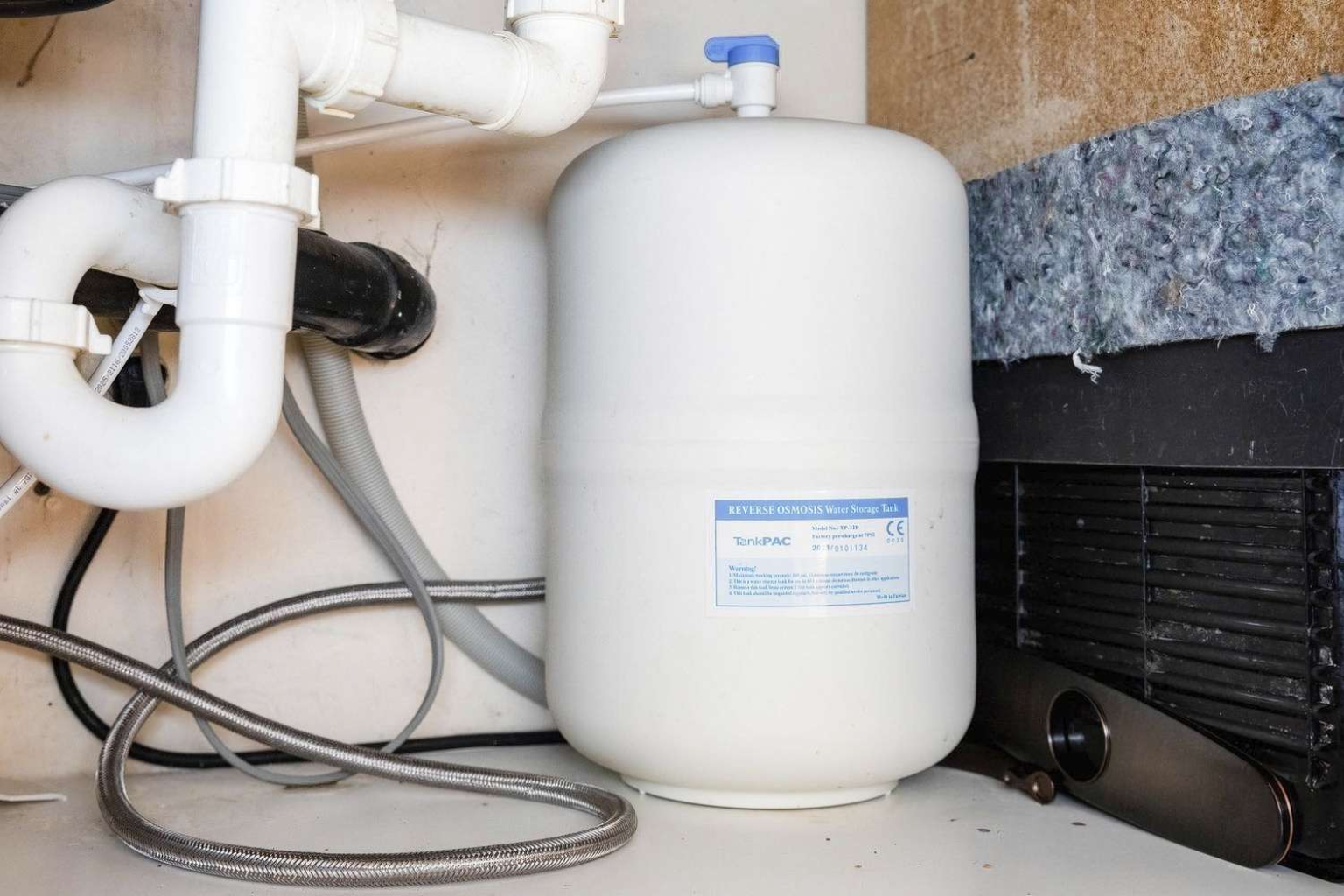
It happened on a random Tuesday morning — one of those rushed, half-awake starts where you’re juggling coffee, emails, and the nagging feeling that you’re already late. I filled a glass from the kitchen tap, took a sip, and paused. Something felt… off. Not terrible, not undrinkable, just slightly metallic and flat. The kind of taste you can’t quite explain but can’t ignore either.
That moment turned into a rabbit hole of research I never expected to fall into. Because here’s the truth most of us don’t think about: just because water looks clear doesn’t mean it’s truly clean.
Water Quality Isn’t Always What It Seems
In many regions, tap water technically meets safety standards, but that doesn’t necessarily mean it’s ideal for daily use. Minerals, chlorine, sediment, and trace contaminants can all exist within “acceptable” limits — yet still affect taste, smell, and long-term household health.
For example, hard water is incredibly common. It contains high levels of calcium and magnesium, which aren’t dangerous to drink but can cause a range of annoying problems. Over time, hard water leaves white scale buildup on faucets, reduces appliance efficiency, and even makes soaps less effective.
You might notice your clothes feeling stiff after washing, or shampoo refusing to lather properly. It’s not your imagination — it’s chemistry quietly happening in the background.
This is where the idea of water conditioning becomes important. Unlike simple filtration, conditioning focuses on altering the properties of water to reduce mineral buildup and improve usability throughout your home. It doesn’t just “clean” water; it changes how water behaves, making everyday tasks smoother without drastically altering its natural composition.
The Real Cost of Ignoring Hard Water
People often underestimate how much hard water can impact their home. It’s not just about chalky spots on glassware or slightly dry skin after showers. Over time, mineral deposits can clog pipes, reduce water heater efficiency, and shorten the lifespan of appliances like washing machines and dishwashers.
Imagine trying to run a marathon while carrying a backpack full of rocks — that’s essentially what your appliances are doing when scale builds up inside them.
Many homeowners eventually turn to water softeners once they realize how widespread these effects can be. These systems remove calcium and magnesium ions from water, replacing them with softer minerals like sodium or potassium. The result? Less scale, smoother fabrics, shinier dishes, and surprisingly — softer skin and hair.
Some people say they notice the difference within days of installing one. Others describe it as subtle but undeniable — like switching from harsh fluorescent lighting to natural daylight. Everything just feels better.
It’s Not Just About Drinking Water
One of the biggest misconceptions is that water treatment only matters for drinking. In reality, we interact with water constantly — washing hands, showering, cleaning surfaces, cooking, and doing laundry.
Each of these activities involves prolonged exposure, and poor water quality can quietly affect daily comfort. Chlorine residue can dry out skin, sediment can clog fixtures, and dissolved minerals can alter how soaps and detergents perform.
This broader perspective is why many households eventually explore whole home water treatment systems. Instead of treating water at a single tap, these systems filter and condition water at the point it enters your house. That means every faucet, shower, and appliance benefits from improved water quality.
It’s a bit like upgrading your home’s air quality system — you don’t notice it constantly, but you definitely feel the difference.
The Emotional Side of Clean Water
Here’s something people rarely talk about: clean water isn’t just a practical upgrade — it’s a psychological one too. There’s a subtle peace of mind that comes from knowing the water flowing through your home is genuinely safe and optimized.
You stop worrying about scale buildup, strange tastes, or whether you should use bottled water for cooking. Showers feel more refreshing, laundry smells cleaner, and even coffee tastes better.
It’s one of those changes that doesn’t dramatically transform life overnight — but slowly improves everyday experiences in small, meaningful ways.
Technology Is Making Solutions Smarter
Modern water treatment technology has come a long way. Today’s systems are more efficient, compact, and intelligent than older models. Many now include automated monitoring features that track water usage, filter performance, and maintenance needs.
Some systems even connect to mobile apps, allowing homeowners to monitor water quality in real time. It’s a fascinating blend of traditional plumbing and modern smart-home innovation.
And importantly, many newer solutions are designed to conserve water and reduce salt usage, addressing environmental concerns while still delivering effective treatment.
The Bigger Picture
At the end of the day, water quality isn’t just about health standards or technical measurements. It’s about daily comfort, long-term home care, and something deeper — trust in the most essential resource we rely on every single day.
We often take water for granted because it’s always there when we turn on the tap. But when you start paying attention, you realize how much it influences everything — from appliance efficiency to personal wellbeing.
So maybe that moment — standing in your kitchen, holding a glass of tap water, wondering why it tastes a little off — isn’t something to ignore. Maybe it’s the beginning of understanding just how important water quality really is.
Because once you experience truly optimized water, it’s hard to go back to simply assuming clear water means clean water.
