

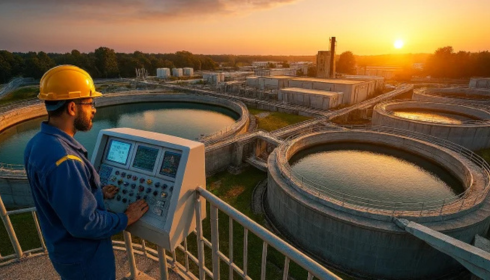
Urban India is expanding rapidly, driven by population growth, infrastructure development, and evolving lifestyles. With this growth comes a pressing challenge, efficient wastewater management. Traditional drainage systems, which once served cities well, are now struggling to keep up with the increasing demand and complexity of modern urban environments.
Today, wastewater management is no longer just about disposal. It is about sustainability, efficiency, and adaptability to changing urban needs.
Challenges with Traditional Wastewater Systems
Conventional plumbing systems rely heavily on gravity to transport wastewater. This means that water flows downward through pipes connected to a central drainage network. While effective in the past, this approach presents several limitations in modern cities.
One of the biggest challenges is restricted design flexibility. Bathrooms, kitchens, and utility areas must be located near existing drainage lines. This creates difficulties in renovations, especially in apartments, basements, and commercial spaces where layouts are often constrained.
Additionally, traditional systems require extensive construction work, including floor breaking and pipe rerouting, which increases both cost and time.
The Rise of Modern Pumping Solutions
To overcome these limitations, modern wastewater pumping technologies have emerged as a game-changer. These systems allow wastewater to be transported from virtually any location, regardless of its position relative to the main drainage line.
This innovation enables:
- Installation of bathrooms in basements or remote areas
- Flexible interior design without plumbing constraints
- Reduced need for heavy construction work
Advanced solutions offered by SFA Pumps India are designed specifically to meet the demands of modern urban infrastructure. Their systems combine efficiency, compact design, and ease of installation, making them ideal for both residential and commercial applications.
Sustainability and Environmental Impact
As cities grow, environmental concerns are becoming increasingly important. Improper wastewater management can lead to water contamination, health hazards, and ecological damage.
Modern systems are built with sustainability in mind. They help:
- Prevent leakage and contamination
- Reduce odor emissions
- Ensure hygienic waste transport
By improving how wastewater is handled, these technologies contribute to cleaner cities and better public health outcomes.
Applications in Commercial and Residential Spaces
The need for efficient wastewater management is not limited to homes. Commercial establishments such as restaurants, hotels, offices, and hospitals generate large volumes of wastewater daily.
Managing this effectively requires high-performance systems that can handle heavy loads without failure. Solutions like the Sanicubic 2 VX lifting station are specifically designed for such environments. These systems offer powerful performance, durability, and reliability, making them ideal for high-demand applications.
In residential settings, these technologies allow homeowners to optimize space by adding new bathrooms or kitchens in areas previously considered unsuitable.
Key Benefits of Advanced Wastewater Systems
Modern wastewater solutions offer several advantages over traditional systems:
- Flexibility: Install fixtures anywhere without relying on gravity
- Cost Efficiency: Reduce construction and renovation expenses
- Compact Design: Ideal for small urban spaces
- Quiet Operation: Enhanced comfort in residential environments
- Durability: Long-lasting performance with minimal maintenance
These benefits make advanced pumping systems a practical choice for modern urban living.
The Future Outlook
The future of wastewater management in India will be shaped by innovation and sustainability. As urban areas continue to grow, there will be an increasing demand for systems that are efficient, adaptable, and environmentally friendly.
Smart technologies, compact designs, and high-performance systems will become standard features in both residential and commercial construction.
Conclusion
Efficient wastewater management is essential for the sustainable growth of urban India. Traditional systems, while reliable in the past, are no longer sufficient to meet modern demands.
By adopting advanced solutions, cities can overcome infrastructure limitations, improve sanitation, and create more flexible living and working spaces. The shift toward innovative wastewater technologies is not just a trend—it is a necessity for building future-ready urban environments.
