

You don’t usually notice your water — not really. It’s just there. You turn on the tap, fill a glass, rinse the dishes, hop in the shower. Routine stuff. And yet, when something feels off — a faint metallic taste, stubborn white spots on your glasses, dry skin that won’t cooperate — suddenly water becomes the main character in your daily life.
I’ve had that moment. Standing in the kitchen, staring at a cloudy glass, wondering how something so basic could feel slightly wrong. It’s funny how we’ll obsess over organic groceries or air purifiers but barely think about the water running through our pipes.
Until we do.
When “Good Enough” Isn’t Actually Good
Municipal water systems are designed to be safe. And in many places, they do a solid job. But “safe” doesn’t always mean ideal. Chlorine is often added for disinfection. Minerals like calcium and magnesium show up naturally in groundwater. Tiny traces of sediment or dissolved solids can linger.
None of this necessarily screams emergency. But over time, these little things add up.
Hard water leaves scale around faucets and slowly shortens the life of appliances. Chlorine can affect taste and even the smell of your shower steam. Some people notice their skin feels tight or their hair lacks shine. It’s subtle — but persistent.
That’s usually when homeowners start looking into water softeners. Not because they’re chasing luxury, but because they’re tired of scrubbing mineral buildup or replacing fixtures too soon. Softening systems work by reducing hardness minerals, which helps soap lather better and keeps pipes cleaner.
And yes, your towels feel fluffier. That part’s real.
The Difference You Feel (Even If You Don’t See It)
What surprised me most when I first researched water treatment was how much of the benefit isn’t visual. It’s tactile. It’s the way your skin feels after a shower. It’s how your dishwasher doesn’t leave that chalky film. It’s how your coffee tastes slightly brighter, almost like the beans got an upgrade.
There’s also something comforting about knowing your water is being treated before it reaches every faucet. That’s where whole-home filtration enters the conversation. Instead of addressing a single sink, these systems filter water at the point it enters your house.
Every shower. Every load of laundry. Every glass of water.
This kind of setup typically includes sediment filters to remove particles, carbon filtration to reduce chlorine and odors, and sometimes additional stages depending on regional water conditions. It’s not overkill — it’s comprehensive.
The best part? Once installed, you stop thinking about it. It quietly does its job in the background.
Drinking Water Deserves Its Own Spotlight
Now let’s talk about what you actually ingest.
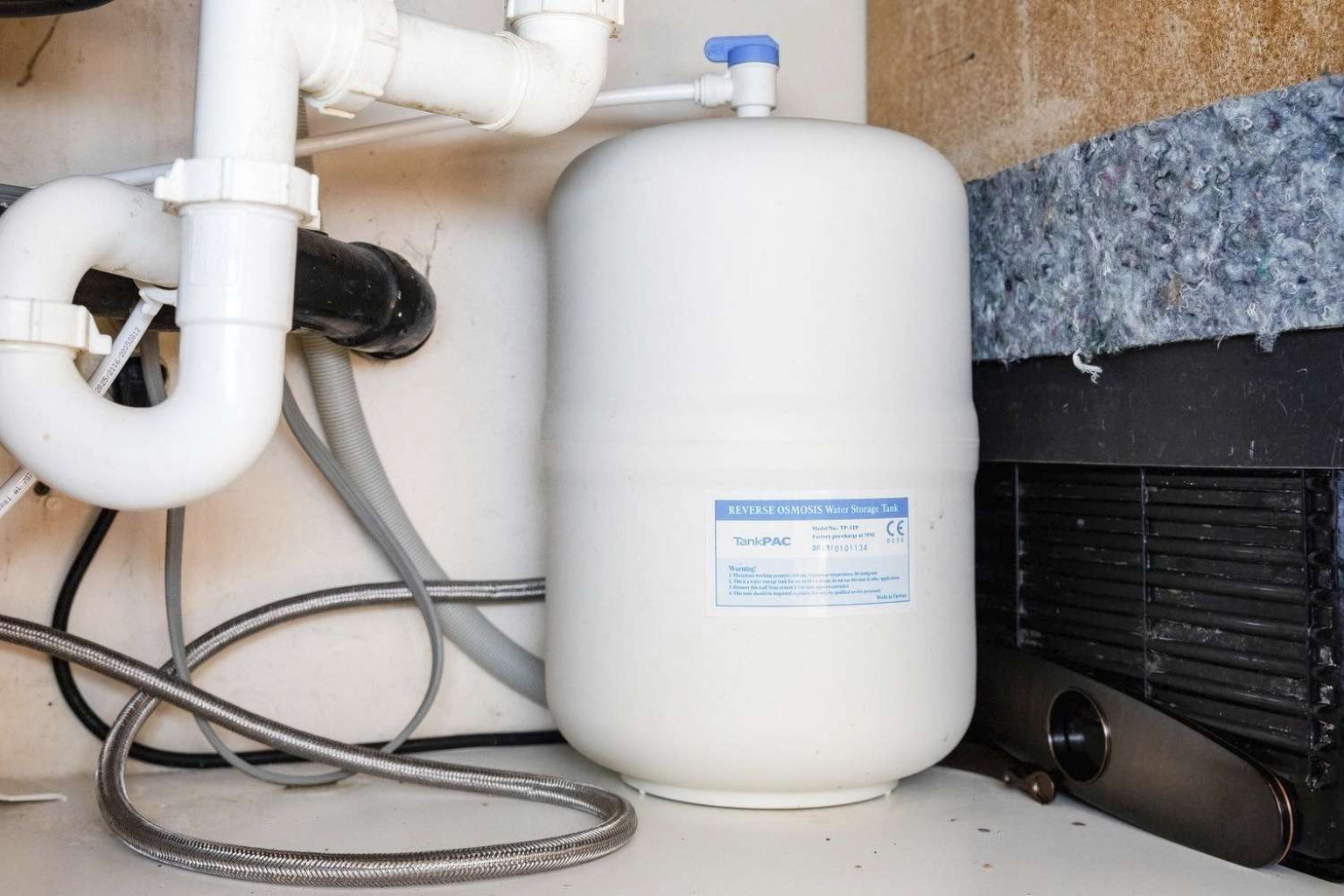
Even if your shower feels better and your appliances are protected, you might still want an extra layer of precision for drinking and cooking water. That’s where reverse osmosis systems tend to shine. Installed under the sink, they use a semi-permeable membrane to remove a wide range of dissolved solids.
The result is water that tastes… clean. Not just “fine,” but clean in a way that makes you pause after the first sip. It’s hard to describe unless you’ve tried it. There’s no lingering aftertaste, no faint chemical note.
Of course, reverse osmosis systems also require maintenance. Filters and membranes need replacing periodically. But the upkeep is manageable, and for many households, the taste improvement alone makes it worthwhile.
And let’s be honest — if you drink more water because it tastes better, that’s a health win all on its own.
It’s Not Just About Taste or Comfort
There’s a financial angle people don’t always consider.
Hard water can quietly wreak havoc on plumbing systems. Scale builds up inside water heaters, forcing them to work harder and consume more energy. Dishwashers and washing machines may lose efficiency. Pipes can narrow over time due to mineral deposits.
Addressing water quality isn’t just about pampering your home — it’s about protecting it. When you think long term, preventing damage often costs less than repairing it.
There’s also the environmental piece. If your water tastes better at home, you’re less likely to buy bottled water. That reduces plastic waste and saves money. It’s one of those small lifestyle shifts that feels surprisingly meaningful.
Choosing What’s Right (Without Overcomplicating It)
The tricky part? There’s no universal solution.
Some homes only need a softener. Others benefit more from carbon filtration. In areas with specific contaminants, a combination system makes sense. That’s why testing your water first is so important. Guessing can lead to overspending or solving the wrong problem.
A professional water analysis gives you a baseline. From there, you can decide what actually matters for your household. Maybe your priority is appliance longevity. Maybe it’s taste. Maybe you just want your kids’ bathwater to be as clean as possible.
There’s no wrong reason to care about your water.
The Quiet Satisfaction of Getting It Right
Upgrading your water system isn’t flashy. You won’t get compliments from guests the way you would with a renovated kitchen. It doesn’t show up in Instagram photos.
But you’ll feel it.
You’ll notice that showers are more comfortable. That your soap lasts longer. That your glassware looks clearer. That your coffee doesn’t need as much sugar to taste balanced. These are small shifts — but they stack up.
And there’s something grounding about improving something so fundamental. Water touches nearly every part of your daily routine. When it’s better, everything else feels just a little smoother.
At the end of the day, investing in your home’s water isn’t about fear or hype. It’s about paying attention to the details that quietly shape your life. Clean, balanced water might not be glamorous — but once you’ve experienced the difference, it’s hard to go back to “good enough.”
Sometimes the most meaningful upgrades are the ones you don’t see at all.
