

There’s a moment most homeowners recognize — maybe it’s the first truly hot day of summer or that sharp chill creeping into the evening air — when you suddenly realize how much you rely on your home’s temperature to feel… right. Not perfect, just comfortable. It’s funny how something so invisible can shape your mood, your sleep, even how productive you feel on a random Tuesday afternoon.
And yet, most of us don’t think about our heating and cooling systems until something goes wrong. That faint rattling noise, uneven cooling in different rooms, or a unit that just refuses to cooperate when you need it most — it all starts to matter then.
Why Comfort Isn’t Just About Temperature
We often reduce comfort to numbers — 22°C, 24°C, whatever feels good on the thermostat. But comfort is more layered than that. It’s about airflow, humidity, air quality, and how evenly that air moves through your space. A room can technically be “cool,” but still feel stuffy or off.
That’s where experienced hvac professionals come into the picture. Not just as technicians, but as problem solvers. The good ones don’t just install or repair — they listen. They notice things like how your living room traps heat in the afternoon or how your bedroom feels colder than the rest of the house. These small details shape the bigger picture.
I once had a technician walk through a home and immediately point out that the return vents were poorly positioned. Something I’d never have noticed — but fixing it changed everything. That’s the kind of quiet expertise that makes a difference.
The Subtle Art of Getting Installation Right
There’s a misconception that installing an AC unit is a straightforward task. Buy the unit, mount it, plug it in — done. But reality, like most things in life, isn’t that simple.
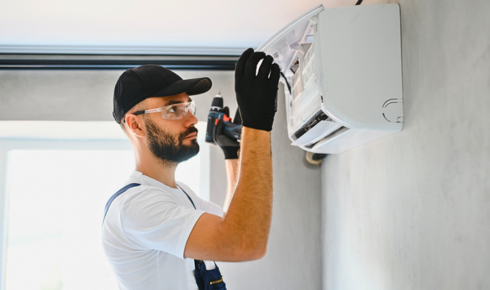
Proper ac installation is less about the machine and more about the environment it’s placed in. Room size, insulation, window direction, ceiling height — all of it matters. Oversized units cool quickly but don’t dehumidify well. Undersized ones struggle endlessly, driving up energy bills without delivering comfort.
And then there’s placement. A poorly positioned indoor unit can lead to uneven cooling, creating pockets of discomfort that never quite go away. It’s not always obvious at first, but over time, you feel it.
Good installation feels invisible. You don’t notice it because everything just works — quietly, efficiently, consistently.
Heating Systems: The Unsung Heroes of Winter
We don’t talk about heating systems as much, especially in regions where winters are mild. But when the temperature drops, even slightly, the absence of proper warmth becomes noticeable very quickly.
A thoughtful heating installation isn’t just about staying warm — it’s about staying comfortable without overcompensating. Ever walked into a room that feels too dry, almost suffocating? That’s often the result of poorly balanced heating.
Modern systems can do more than just heat. They can regulate humidity, filter air, and maintain a steady, comfortable environment without constant adjustments. But only if they’re installed with care and understanding.
And honestly, there’s something deeply comforting about a home that feels warm in winter without you having to think about it. It’s one of those quiet luxuries we tend to overlook.
Maintenance: The Part Everyone Ignores (Until It’s Too Late)
Let’s be honest — maintenance is easy to postpone. Life gets busy, and if your system is working “well enough,” it doesn’t feel urgent.
But small issues have a way of growing quietly. A clogged filter, a minor refrigerant leak, a slightly worn-out component — they don’t cause immediate failure, but they slowly chip away at performance.
I’ve seen systems that could’ve lasted years longer with just a bit of regular care. And others that broke down at the worst possible time because a simple check-up was skipped.
Maintenance isn’t glamorous. It doesn’t feel productive in the moment. But it’s one of those things that pays off in ways you only notice when something goes wrong.
Energy Efficiency: More Than Just Saving Money
Energy efficiency often gets framed as a financial decision — lower bills, reduced consumption. And yes, that matters. But it’s also about consistency.
An efficient system doesn’t just save energy; it performs better. It cools or heats more evenly, runs quieter, and puts less strain on its components. Over time, that means fewer breakdowns and a longer lifespan.
There’s also a subtle psychological benefit. When your system runs smoothly, without sudden spikes or fluctuations, your home feels more stable. It’s hard to explain, but you notice it.
Choosing the Right System Feels Overwhelming — And That’s Okay
If you’ve ever tried to compare HVAC systems, you know how quickly it becomes overwhelming. SEER ratings, tonnage, inverter technology, smart thermostats — it’s a lot.
And sometimes, the more you research, the less clear things become.
Here’s the truth: there isn’t a single “best” system. There’s only what’s best for your specific space, lifestyle, and priorities. A system that works perfectly in one home might feel completely wrong in another.
That’s why conversations matter. Asking questions, understanding your options, and working with someone who takes the time to explain — it all makes a difference.
The Quiet Impact of a Well-Designed System
At the end of the day, a good heating and cooling system doesn’t draw attention to itself. It doesn’t need to.
It just works in the background, making your home feel like a place you want to be. You sleep better, you focus better, you feel more at ease — and you don’t even think about why.
And maybe that’s the point.
Because comfort, when it’s done right, doesn’t announce itself. It just becomes part of your everyday life — steady, reliable, and quietly essential.
