

There’s a funny thing about water — we rely on it every single day, yet most of us hardly think about what’s actually flowing through the tap. We drink it, cook with it, wash our clothes, rinse vegetables, brew coffee, even water the plants. It’s everywhere. But here’s the quiet truth: not all water is as clean or safe as we assume.
Across many cities and towns, water quality varies wildly. Some areas deal with hard minerals, others struggle with chlorine taste, sediment, iron, or even traces of contaminants that sneak through aging pipelines. That’s where modern water treatment systems step in — not as a luxury, but increasingly as a practical solution for everyday life.
Let’s talk about why more homeowners, businesses, and facility managers are paying attention to the water they use.
The Hidden Story Inside Your Tap Water
Most municipal water treatment facilities do a decent job. They remove many harmful elements before water reaches households. Still, by the time that water travels through kilometres of pipes — some decades old — its quality can change.
You might notice it in small ways. Maybe your tea tastes slightly metallic. Soap refuses to lather properly. White stains appear on faucets and shower glass. Or your skin feels dry after a shower.
Hard water minerals like calcium and magnesium are common culprits. They’re not necessarily dangerous, but they can be incredibly frustrating. Over time, they build scale inside appliances, water heaters, and pipes. That means reduced efficiency and, eventually, costly repairs.
Clean water isn’t just about drinking; it affects the entire household ecosystem.
Homes Are Getting Smarter About Water
A decade ago, most homeowners rarely thought about filtration beyond a simple jug filter in the fridge. Now, that mindset is changing. People are becoming more conscious about what they consume, and water is part of that shift.
Modern filtration technologies can remove sediment, chlorine, odours, heavy metals, and other unwanted elements. Some systems soften water, others purify it with reverse osmosis, and a few combine multiple methods into one compact unit.
For families, these residential water solutions bring peace of mind. Imagine filling a glass directly from the kitchen tap and knowing it’s clean, fresh, and free from unpleasant taste. No plastic bottles, no constant refilling filters — just reliable water whenever you need it.
And there’s another subtle benefit: appliances last longer. Dishwashers, washing machines, and water heaters work better when mineral buildup isn’t constantly attacking them.
Sometimes the smartest home upgrades aren’t flashy at all — they just quietly improve daily life.
Businesses Depend on Water More Than They Realise
While households worry about taste and cleanliness, businesses face an entirely different set of challenges. Water quality can affect operations, equipment, and even reputation.
Restaurants, for instance, rely on clean water for cooking, beverages, and dishwashing. Hotels need consistent water quality for guest comfort — nobody enjoys a chalky shower or cloudy ice cubes. Manufacturing facilities often require precise water standards to maintain production quality.
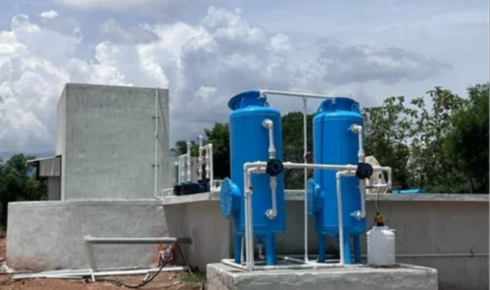
That’s where specialised commercial water solutions become essential. These systems are designed for larger volumes and more demanding environments. They often include advanced filtration, water softening, UV sterilisation, or reverse osmosis units capable of handling continuous usage.
Think about a coffee shop. Even something as simple as brewing espresso depends heavily on water chemistry. Too many minerals can alter flavour and damage expensive machines. The right filtration setup protects both the taste and the equipment.
In short, water quality isn’t just a comfort issue — it can directly impact business performance.
Sustainability Is Changing the Conversation
Another reason water treatment technology is gaining popularity is sustainability. People are slowly moving away from disposable bottled water and toward more responsible options.
Plastic bottles may seem convenient, but they come with environmental costs: manufacturing, transportation, and waste. Installing filtration systems allows homes and businesses to reduce plastic consumption while still enjoying clean, safe drinking water.
There’s also an efficiency angle. Properly treated water reduces scale buildup, which means appliances consume less energy. A water heater with heavy mineral deposits has to work much harder to produce the same result.
So cleaner water can actually translate into lower utility bills and smaller environmental footprints.
Not bad for something that flows quietly through the pipes.
Choosing the Right System Isn’t Always Simple
Here’s where things can get a little tricky. Not every water issue is the same. Some areas struggle with hardness, others with iron, sulphur smells, or microbial contamination. The right treatment approach depends on the local water profile.
That’s why many experts recommend starting with a water test. Once you understand what’s actually present in the water, selecting the appropriate filtration or purification technology becomes much easier.
For example:
- Hard water often requires softening systems.
- Chlorine and taste issues may need activated carbon filtration.
- High contaminant levels might call for reverse osmosis or UV treatment.
It’s less about buying the most expensive system and more about choosing the correct one.
Clean Water Is a Quiet Luxury
In many ways, clean water is one of life’s simplest pleasures. You don’t think about it much — until it isn’t good.
A strange taste, cloudy glassware, or scale-covered faucets quickly remind you how important water quality really is. And once you experience properly filtered water, it’s surprisingly difficult to go back.
What’s interesting is that water treatment technology has become far more accessible over the past few years. Systems are more efficient, easier to maintain, and designed to fit modern homes and businesses without taking over an entire utility room.
It’s not just about fixing water problems anymore. It’s about improving everyday experiences — from a morning shower to a cup of tea at night.
And maybe that’s the real takeaway. Water flows through nearly every moment of our day. Making sure it’s clean, balanced, and reliable might be one of the most underrated upgrades we can make.
Sometimes the smallest changes — the ones we barely notice — end up making the biggest difference.
