

It’s funny how we’ll research the perfect mattress, compare air purifiers for weeks, and debate endlessly about which coffee beans taste better — yet most of us rarely question the water running through our homes every single day.
We drink it. Cook with it. Shower in it. Wash our clothes in it. Water quietly shapes our daily routines, and when it’s good, we don’t notice. When it’s not? Suddenly, it’s all we can think about.
Hard water stains. Dry skin. Odd tastes. Mineral buildup in appliances. That’s usually when people start asking questions. And once you start looking into water quality, you realize there’s more going on beneath the surface than you assumed.
The Subtle Signs of Hard Water
Let’s start with something common: hard water.
If you’ve ever scrubbed white residue off your faucets or noticed your shower glass constantly looks cloudy no matter how much you clean it, you’ve likely encountered it. Hard water is rich in minerals like calcium and magnesium. They’re not dangerous, but they’re persistent.
Over time, those minerals accumulate inside pipes, water heaters, and appliances. You might not see it happening, but efficiency drops quietly. Heating elements work harder. Soap lathers less. Skin feels tight after a shower.
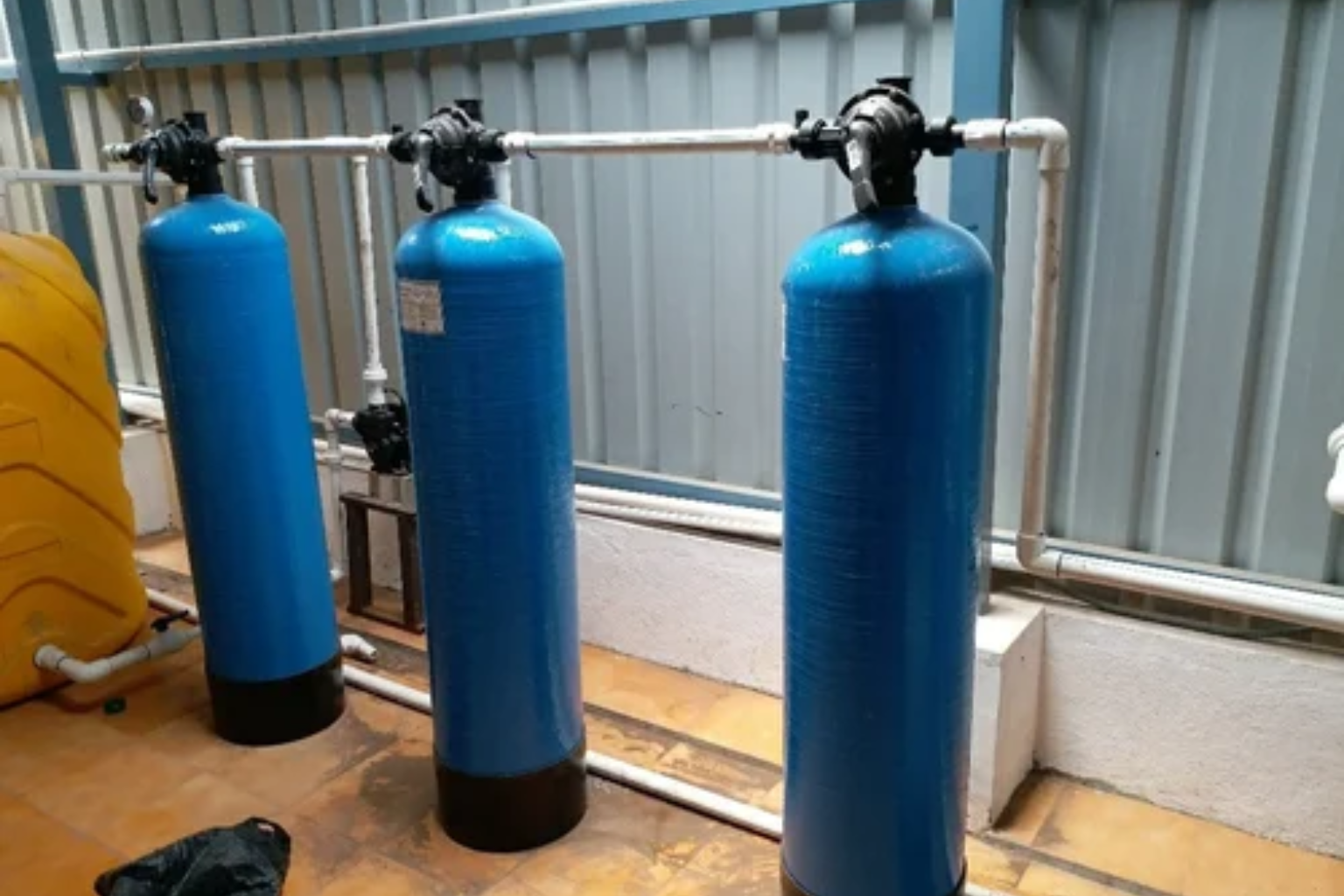
That’s where water softener systems often come into the conversation. These systems don’t “clean” water in the traditional sense. Instead, they remove excess hardness minerals, preventing buildup and extending the life of plumbing and appliances.
Homeowners who install softeners often notice subtle but meaningful changes — smoother skin, brighter laundry, less soap usage. It’s not dramatic. It’s gradual. But over time, those improvements add up.
It’s Not Just About Hardness
Of course, hardness is only part of the story.
Water can carry sediment, chlorine, heavy metals, and other contaminants depending on your local supply. Municipal water is treated, yes, but that doesn’t automatically mean it’s perfect by the time it reaches your tap.
That’s why water filtration systems have become increasingly common in households looking for an added layer of reassurance.
Filtration addresses specific concerns — removing chlorine taste, reducing sediment, targeting particular contaminants. Some systems treat the whole house, while others focus on specific points like kitchen sinks.
It’s less about fear and more about control. When you filter your water, you’re choosing how clean you want it to be — not just accepting the baseline standard.
The Taste Factor (And Why It Matters)
Let’s talk honestly for a second.
Have you ever taken a sip of tap water and thought, “That tastes… off”?
Sometimes it’s metallic. Sometimes it carries a faint chlorine scent. Sometimes it’s just flat.
Even when water is technically safe, taste influences how much we drink. And hydration matters.
That’s where targeted drinking water solutions come into play. Under-sink systems, reverse osmosis units, countertop filters — these focus specifically on the water you consume.
Many people find that once they improve taste and clarity, they naturally drink more water. Less reliance on bottled options. Less plastic waste. More convenience.
And that’s not a small shift.
Choosing the Right System Isn’t One-Size-Fits-All
One mistake people make is assuming there’s a universal “best” system.
The reality? It depends on your local water profile and your household needs.
If your primary issue is mineral buildup, softening might be your priority. If taste or chemical presence concerns you, filtration becomes central. If you’re focused on pure hydration quality, a dedicated drinking system might be the answer.
Ideally, start with testing. Many local providers offer water analysis to identify specific characteristics. Guesswork isn’t necessary.
Understanding your water allows you to invest intelligently — rather than overcorrecting or under-addressing the issue.
Long-Term Benefits Go Beyond Comfort
Water improvements aren’t just about how things feel. They impact cost.
Hard water can shorten appliance lifespan. Scaling in water heaters increases energy consumption. Soap inefficiency raises product usage.
Over time, those hidden costs add up.
On the flip side, treated water often reduces maintenance needs. Appliances last longer. Cleaning requires less effort. Plumbing systems stay healthier.
It’s not glamorous savings. It’s practical savings.
And practicality, in a home, often matters more than flash.
Environmental Considerations
Another angle people don’t always consider is environmental impact.
When tap water tastes better, bottled water consumption often drops. That reduces plastic waste and transportation-related emissions.
Efficient appliances last longer, meaning fewer replacements and less landfill contribution.
Small improvements inside a home can ripple outward in meaningful ways.
It’s not about perfection. It’s about incremental progress.
Maintenance: The Overlooked Piece
Installing a system is one thing. Maintaining it is another.
Filters need replacing. Softener salt needs replenishing. Systems require occasional inspection.
Neglect maintenance, and performance declines.
But when upkeep becomes routine, water quality remains consistent — quietly supporting daily life without demanding constant attention.
That’s the ideal outcome. Reliable, invisible improvement.
When You Finally Notice the Difference
Here’s the interesting part: most people don’t realize how much water quality affects them until it improves.
Then suddenly, showers feel softer. Dishes dry clearer. Coffee tastes better. Skin irritation reduces.
It’s not dramatic. It’s subtle.
But subtle changes often create the biggest comfort shifts in daily life.
A Thoughtful Upgrade, Not a Trend
Water treatment isn’t a luxury trend. It’s a practical investment in something you use constantly.
We upgrade phones every few years. Replace televisions. Renovate kitchens. Yet water — something we interact with dozens of times daily — often gets overlooked.
Taking a closer look at your home’s water isn’t about paranoia. It’s about awareness.
And once you’re aware, making improvements feels less like an expense and more like a decision toward better living.
