

Most of us don’t think much about water until something feels off. Maybe it’s a strange metallic taste when you pour a glass late at night, or the way soap refuses to lather properly in the shower. Sometimes it shows up more subtly — dry skin, dull hair, spots on dishes that never seem to go away.
Water is one of those everyday essentials we take for granted, quietly flowing through our routines without much thought. But when you pause and consider how deeply it affects health, comfort, and even home maintenance, it becomes clear that the quality of your water deserves more attention than it usually gets.
The truth is, the water entering your home often carries minerals, chemicals, and impurities that impact everything from plumbing systems to personal well-being.
Understanding What’s Actually in Household Water
Tap water isn’t just H₂O. Depending on where you live, it can contain calcium, magnesium, chlorine, sediment, or trace contaminants from natural and industrial sources.
These substances aren’t always dangerous, but they can create long-term issues.
Hard minerals can build up inside pipes and appliances. Chlorine may affect taste and odor. Sediment particles can reduce efficiency in plumbing systems.
The effects are gradual, which is why many homeowners don’t immediately recognize them.
Instead, they show up slowly — over months or years.
Why Water Quality Affects Daily Comfort
The impact of water quality isn’t limited to drinking alone.
It touches nearly every part of daily life.
Cooking, bathing, laundry, cleaning — all rely on water. When its quality is compromised, these everyday activities can feel frustrating.
Clothes may fade faster. Glassware may appear cloudy. Skin may feel dry after showers.
It’s not dramatic enough to seem urgent, but it’s persistent enough to affect overall comfort.
Improving water quality often transforms daily routines in ways homeowners don’t anticipate.
The Role of Treatment Systems in Modern Homes
Modern households increasingly rely on specialized water treatment solutions to address specific water quality concerns.
These systems aren’t one-size-fits-all. They’re designed based on local water conditions, household needs, and usage patterns.
Some focus on removing minerals, while others target chemical contaminants or sediment.
The goal isn’t just purification — it’s optimization.
Treatment systems aim to create water that supports both health and home infrastructure.
How Hard Water Quietly Impacts Your Home
Hard water is one of the most common household water issues worldwide.
It contains high concentrations of calcium and magnesium, which gradually form scale deposits inside plumbing systems.
Over time, this buildup can reduce water pressure, increase energy consumption, and shorten appliance lifespan.
Heating elements in water heaters, for example, must work harder when coated with mineral scale.
This inefficiency often leads to higher utility bills and frequent maintenance needs.
Why Softening Technology Makes a Difference
Many homeowners turn to water softeners to address hard water challenges.
These systems use ion exchange processes to remove excess minerals from water before it enters the home’s plumbing network.
The results are often noticeable almost immediately.
Soap lathers more easily. Hair feels smoother after washing. Laundry appears cleaner and softer.
Beyond comfort benefits, softening also protects appliances and reduces long-term maintenance costs.
It’s a solution that addresses both lifestyle and infrastructure needs.
Protecting Your Entire Home Through Filtration
While softening focuses primarily on minerals, filtration systems address a broader range of impurities.
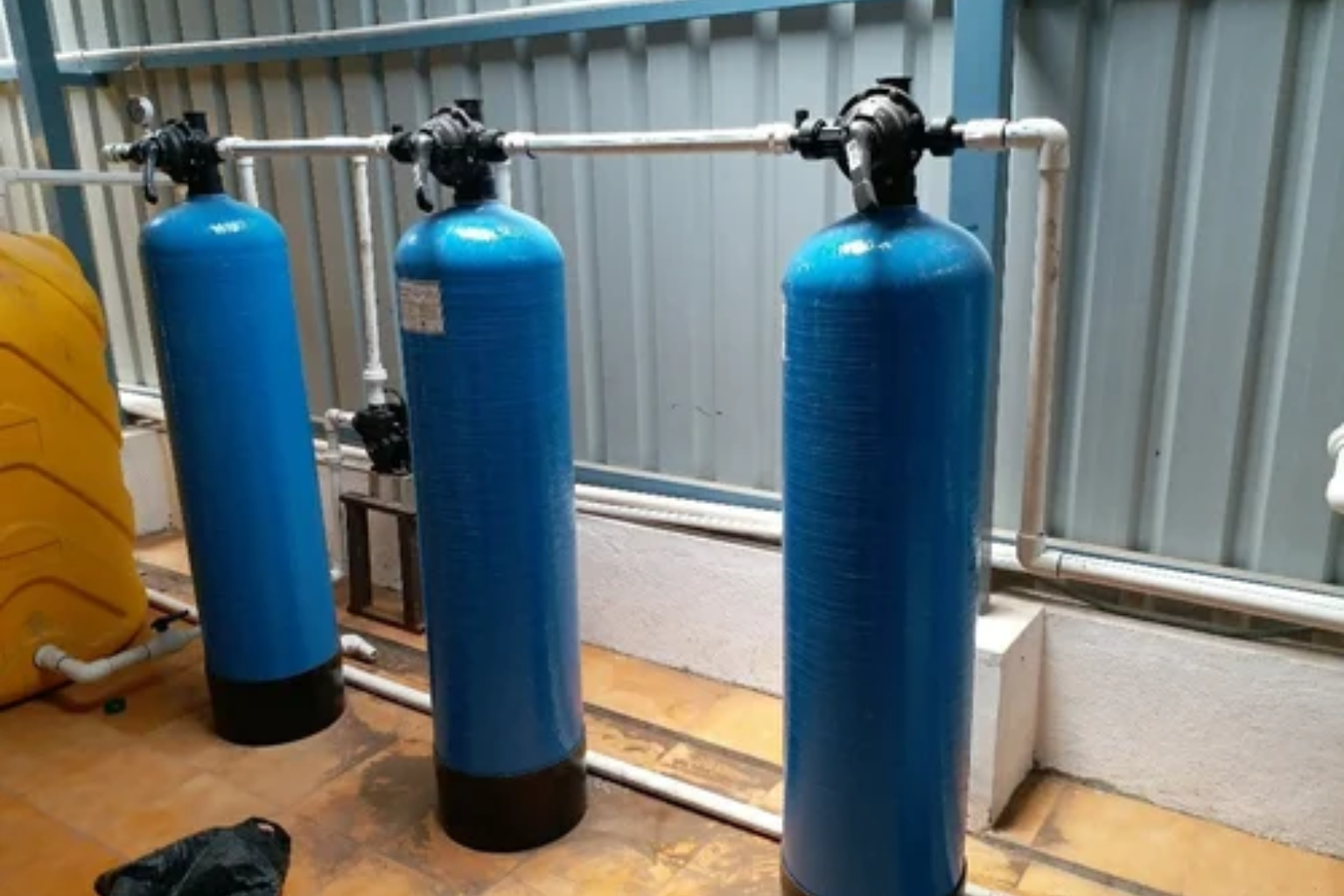
Advanced whole house water filtration systems treat water at the point where it enters the home.
This ensures that every faucet, shower, and appliance receives filtered water.
These systems can remove sediment, chlorine, and certain contaminants, improving both taste and overall quality.
The benefit lies in consistency — every drop of water throughout the home meets the same quality standard.
The Long-Term Benefits of Better Water
Investing in water quality improvements often yields long-term advantages.
Reduced mineral buildup means fewer plumbing repairs and longer appliance lifespan.
Improved filtration can enhance drinking water taste, encouraging healthier hydration habits.
Better water quality also reduces the need for bottled water, lowering environmental impact.
Over time, these benefits contribute to both financial savings and environmental sustainability.
How Water Quality Influences Health and Well-Being
While most municipal water supplies meet safety standards, additional treatment can enhance comfort and well-being.
Reduced chlorine levels can improve taste and odor. Lower mineral content can minimize skin irritation.
For households with sensitive individuals — such as children or those with skin conditions — improved water quality can make a noticeable difference.
It’s not just about safety; it’s about optimizing daily living conditions.
Choosing the Right System for Your Home
Selecting a water treatment system requires understanding specific household needs.
Factors such as water hardness levels, local contaminants, household size, and usage patterns all influence system choice.
Professional water testing often provides valuable insights into water composition.
With accurate data, homeowners can choose solutions tailored to their unique conditions.
This personalized approach ensures maximum effectiveness.
Why Water Quality Deserves Ongoing Attention
Water quality isn’t static.
Seasonal changes, infrastructure updates, and environmental factors can influence water composition over time.
Regular maintenance and monitoring help ensure treatment systems continue functioning effectively.
Periodic testing also allows homeowners to identify emerging issues before they escalate.
Maintaining water quality is an ongoing process rather than a one-time solution.
The Quiet Transformation of Better Water
Improving water quality doesn’t create dramatic, overnight changes.
Instead, it quietly enhances everyday life.
Showers feel more refreshing. Cleaning becomes easier. Appliances run more efficiently.
The transformation is subtle but meaningful — a steady improvement that touches nearly every daily routine.
And over time, these small changes add up to a noticeable difference in comfort and home performance.
Final Thoughts: Water Quality as an Investment in Daily Living
Water flows through every aspect of home life, influencing comfort, health, and infrastructure.
Taking steps to improve its quality isn’t just a technical decision — it’s a lifestyle choice.
By understanding water composition and investing in appropriate treatment solutions, homeowners can create an environment that supports both well-being and long-term efficiency.
