

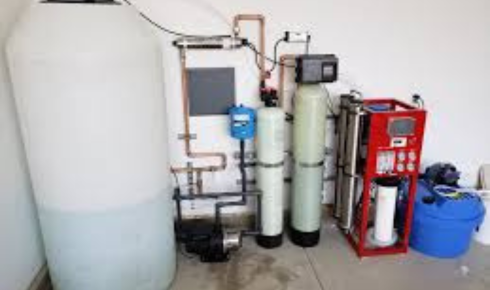
There’s something oddly comforting about turning on the tap and watching clear water flow out. It’s so ordinary, so automatic, that most of us rarely stop to question it. But every now and then, something feels… off. Maybe the taste is a bit metallic, or your skin feels unusually dry after a shower. It’s subtle, easy to ignore—but often, it’s your home trying to tell you something about its water.
I’ve come to believe that water quality is one of those quiet essentials we only notice when it starts affecting our daily life. And when it does, it tends to ripple into everything—our health, our appliances, even how comfortable our homes feel.
The Hidden Impact of Hard Water
Let’s start with something many households deal with without realizing it: hard water. It’s not dangerous in the way contamination might be, but it’s persistent and, honestly, a bit annoying.
You might notice soap that refuses to lather properly or dishes that come out of the dishwasher with cloudy spots. Over time, mineral buildup can sneak into your plumbing system, quietly reducing efficiency and shortening the lifespan of appliances.
This is where water softeners enter the conversation—not as a luxury, but as a practical fix. They work by removing excess minerals like calcium and magnesium, which are responsible for that stubborn residue. And while it sounds technical, the effect is surprisingly simple: softer skin, cleaner laundry, and appliances that don’t struggle as much.
It’s one of those upgrades that doesn’t scream for attention, but once it’s there, you start wondering how you lived without it.
When Taste and Trust Don’t Match
Then there’s drinking water—the part we often assume is fine because it looks fine. But taste can be a giveaway. A faint chlorine note, a slightly bitter aftertaste… these things add up.
For many people, bottled water becomes the default solution. But that’s not always sustainable—or necessary. A more lasting approach lies in systems designed to filter water at a much deeper level.
That’s where reverse osmosis systems quietly shine. They’re designed to remove a wide range of contaminants, including dissolved solids that traditional filters might miss. The result? Water that doesn’t just look clean—it tastes like it should.
There’s something reassuring about filling a glass straight from your own tap and knowing it’s genuinely purified. It shifts your relationship with your home in a small but meaningful way.
Thinking Beyond a Single Tap
Of course, water isn’t just for drinking. It flows through every part of your home—your shower, your washing machine, even the ice in your freezer. So treating just one faucet can feel a bit like fixing a leak in one corner while ignoring the rest of the roof.
That’s why some homeowners start exploring broader solutions like whole-house filtration. It’s exactly what it sounds like: a system that treats water as it enters your home, rather than at the point of use.
The difference can be surprisingly noticeable. Showers feel gentler, clothes last longer, and even the air seems a bit fresher—probably because fewer impurities are being released as steam or residue.
It’s not just about convenience. It’s about consistency. Every drop of water you use meets the same standard, without you having to think about it.
Small Changes, Big Comfort
What I find interesting is how these solutions don’t dramatically change your daily routine. You still wash your hands the same way. You still brew your morning tea. But the experience improves, quietly and steadily.
There’s a kind of comfort in knowing your home is working with you, not against you. No more second-guessing the taste of your water or dealing with stubborn limescale that keeps coming back no matter how often you clean.
And let’s be honest—peace of mind is hard to put a price on. Especially when it comes from something as fundamental as water.
Finding What Works for You
Not every home needs the same solution. Some might benefit most from softening systems, while others need more advanced filtration. It often depends on local water conditions, plumbing, and personal preferences.
The key is to start with awareness. Pay attention to the little signs—how your water tastes, how your appliances perform, how your skin feels after a shower. These aren’t random quirks; they’re clues.
From there, it’s about choosing a system that fits your needs rather than chasing a one-size-fits-all answer. Because, in reality, water quality isn’t just a technical issue—it’s a personal one.
A Quiet Upgrade That Lasts
In a world full of flashy home improvements, water systems don’t always get the spotlight. They’re tucked away, out of sight, doing their job without much attention.
But maybe that’s the point.
They’re not about impressing guests or boosting curb appeal. They’re about creating a home that feels better to live in—day in, day out. And once you experience that shift, even in small ways, it’s hard to go back.
So the next time you turn on the tap, take a moment. Notice the taste, the feel, the way it fits into your routine. Because sometimes, the most important upgrades are the ones you don’t see—but definitely feel.
