Every Glass of Water Has a Story
Water is one of those everyday essentials that rarely gets much attention until something feels off. Maybe your coffee suddenly tastes different, your shower leaves your skin feeling dry, or your dishes come out with cloudy spots no matter how carefully you wash them. These little clues often point to something happening beneath the surface.
The interesting thing is that clean-looking water isn’t always clean water. Many minerals and contaminants can’t be seen, smelled, or tasted, yet they can quietly affect your plumbing, appliances, and overall comfort. That’s why learning what’s actually flowing through your pipes is one of the smartest investments you can make—not necessarily in money, but in peace of mind.
Whether your home relies on municipal water or a private well, understanding your water today helps you make better decisions tomorrow.
Looks Can Be Deceiving
Most of us judge water with our senses. If it’s clear, cold, and doesn’t smell unusual, we assume everything is fine. In reality, water can contain dissolved minerals, sediment, chlorine, iron, or even bacteria without showing obvious warning signs.
That’s why professionals recommend periodic testing instead of relying on appearances. Even if your water has been perfectly fine for years, seasonal changes, aging infrastructure, or environmental conditions can alter its composition over time.
Many homeowners are surprised when testing reveals issues they never expected. Others discover their water is in excellent condition, giving them confidence that no additional treatment is necessary. Either outcome is valuable because decisions are based on facts rather than assumptions.
Why Free Water Analysis Is Worth Considering
When people hear the phrase free water analysis , they sometimes assume it’s just a marketing tool. While some companies certainly use it to introduce their services, the analysis itself can provide genuinely useful information.
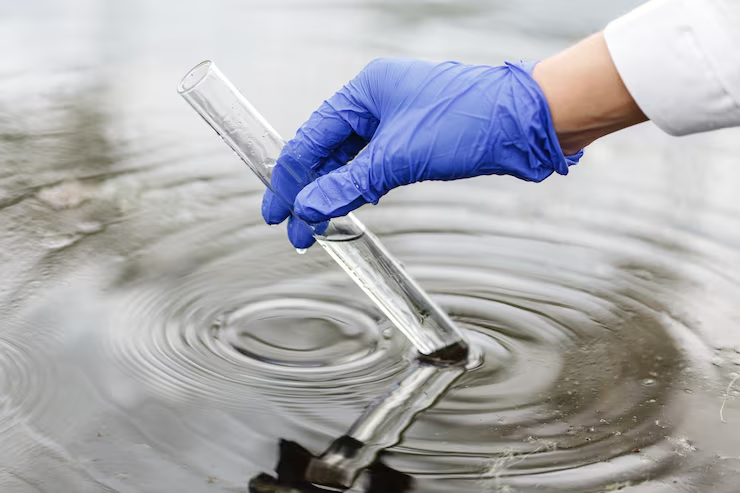
A professional assessment often measures hardness, pH balance, iron content, chlorine levels, total dissolved solids, and other characteristics that influence water quality. Instead of guessing why fixtures develop stains or why soap doesn’t lather properly, you receive a clearer picture of what’s happening.
This information allows homeowners to prioritize improvements instead of buying unnecessary equipment. Sometimes the solution is surprisingly simple, while other situations require a more comprehensive approach.
Either way, knowledge is always cheaper than trial and error.
Water Quality Changes More Than You Think
One common misconception is that water quality remains constant year after year. In reality, that’s rarely the case.
Heavy rainfall, drought conditions, aging municipal pipelines, nearby construction, agricultural runoff, or changes in groundwater levels can all influence water composition. Even if you’ve lived in the same home for decades, your water today may not be identical to the water you had five years ago.
Regular testing helps identify these gradual changes before they develop into larger issues. It’s similar to scheduling routine health checkups—you hope everything looks good, but it’s reassuring to know rather than wonder.
The Real Value of Water Quality Analysis
A detailed water quality analysis goes beyond identifying contaminants. It explains how your water behaves inside your home.
For example, excessive hardness may shorten the lifespan of water heaters and washing machines. High iron content can leave reddish stains in sinks and toilets. Elevated chlorine levels might affect taste and odor, while sediment can gradually clog fixtures and reduce water pressure.
Understanding these characteristics helps homeowners select solutions that actually address the root cause instead of treating symptoms.
It’s a practical process, not an overly technical one. Good water professionals usually explain results in plain language, making it easier to understand exactly what your home needs—and what it doesn’t.
Every Home Is Different
One of the biggest mistakes people make is assuming their neighbor’s water treatment system will work equally well for them.
Homes connected to city water often face different challenges than rural wells. Even neighboring houses using the same water source can experience varying mineral levels depending on plumbing materials, household consumption, and distribution systems.
That’s why customized recommendations matter so much.
A filtration system that performs beautifully in one property might be unnecessary—or insufficient—in another. Water treatment isn’t about installing the biggest system available. It’s about installing the right one.
Choosing Solutions That Match Your Water Purification Needs
Once testing is complete, it’s much easier to identify your home’s actual water purification needs instead of relying on generic advice.
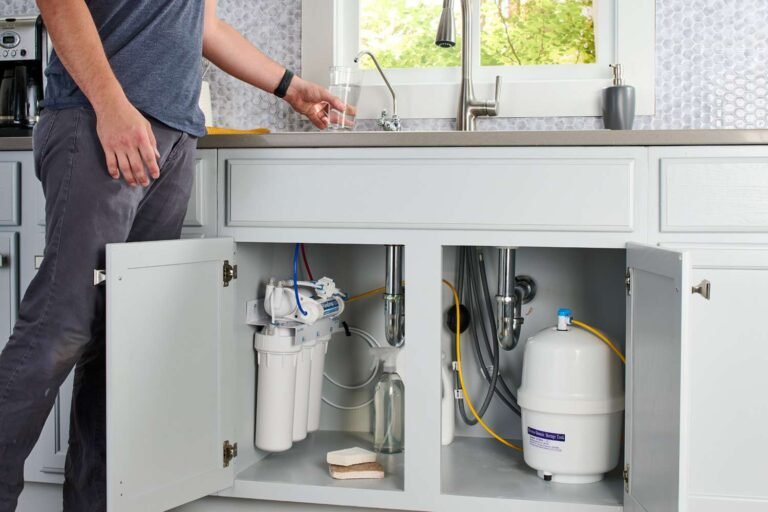
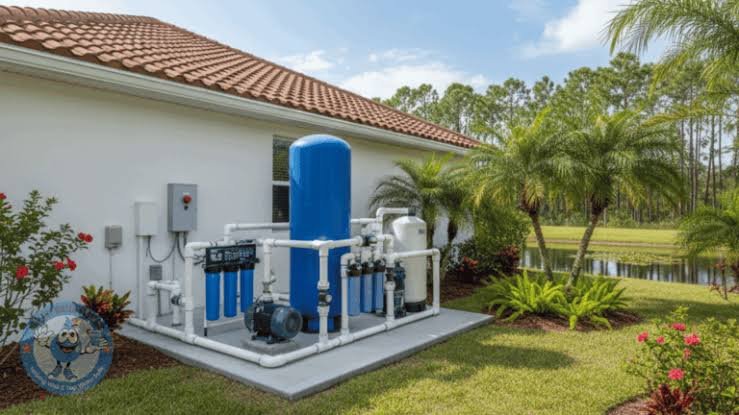
Some households only require a simple carbon filter to improve taste and reduce chlorine. Others may benefit from water softeners that minimize scale buildup caused by hard water. Homes using private wells could require sediment filtration, UV disinfection, reverse osmosis, or specialized iron removal systems.
The goal isn’t to purchase more equipment than necessary. It’s to create a balanced system that solves existing problems while remaining efficient and affordable to maintain.
When treatment is tailored to real conditions, homeowners usually experience better water quality, lower maintenance costs, and longer-lasting appliances.
Small Improvements Add Up Over Time
It’s easy to overlook water because it’s always there. Turn the faucet, and it flows. But over months and years, poor water quality quietly leaves its mark.
Mineral deposits accumulate inside pipes. Appliances lose efficiency. Soap usage increases. Fixtures become stained. Water heaters consume more energy than they should.
Individually, these issues seem minor. Together, they create ongoing expenses that many people never connect to their water.
Addressing small concerns early often prevents much larger repair bills later. In many cases, the savings from improved efficiency gradually offset the cost of treatment equipment.
Good Water Supports Everyday Living
There’s something satisfying about water that simply works the way it should.
Coffee tastes cleaner. Showers feel better. Laundry comes out softer. Glassware sparkles without constant polishing, and household appliances perform more efficiently. These aren’t dramatic life-changing moments, but they improve everyday routines in quiet, meaningful ways.
Perhaps that’s why so many homeowners say they wish they’d tested their water sooner. Not because the process was complicated, but because it gave them confidence that their family was using water suited to their home’s unique conditions.
In the end, understanding your water isn’t really about technology or equipment. It’s about making informed choices that protect your home, improve daily comfort, and help ensure the water you depend on every day is as clean, reliable, and dependable as possible for years to come.