As cooler weather arrives, families naturally close windows and spend significantly more time inside their homes. While sealing house perimeters keeps cold drafts out, it also traps stagnant air, moisture, and fine particulate matter inside living spaces. Prioritizing autumn indoor air quality protects your household from allergen surges, improves respiratory health, and keeps your living environment fresh throughout the cold season.
During summer, home ventilation systems accumulate considerable amounts of dust, ragweed pollen, pet dander, and mold spores. When central heating kicks on in autumn, these trapped particles circulate rapidly through sealed living areas. Executing proactive indoor air quality strategies removes internal pollutants, protects heating equipment, and maintains clean, breathable air for your entire family.
Why Autumn Indoor Air Quality Matters for Your Home
The transition into fall presents unique environmental challenges that directly impact residential indoor air. Taking deliberate steps to improve indoor air quality yields substantial long-term health and financial benefits.
1. Relief from Fall Allergen Spikes
Autumn brings a massive influx of ragweed pollen, outdoor mold spores, and dust mites thriving in humid indoor environments. Without adequate air filtering, these microscopic irritants concentrate inside rooms, triggering seasonal allergy symptoms, severe headaches, and chronic asthma attacks.
2. Prevention of Indoor Air Stagnation
Modern energy-efficient homes are designed to seal tightly, preventing warm air from escaping during cold weather. However, this tight seal prevents natural air exchange, trapping volatile organic compounds (VOCs), cooking fumes, and pet dander inside living areas.
3. Protection of Heating System Efficiency
Clean indoor air directly correlates with a clean heating, ventilation, and air conditioning (HVAC) system. Removing dust particles prevents blower motor clogging, maintains unobstructed airflow, and reduces monthly heating utility costs by up to 15%.
Step-by-Step Checklist for Autumn Indoor Air Quality Enhancement
Achieving healthy indoor air requires a systematic approach covering source control, filtration, and professional maintenance. Follow this comprehensive step-by-step checklist to optimize your home’s air quality this fall.
1.Upgrade HVAC Filters to High MERV Ratings: Prevents trapped summer debris from recirculating.
Replace old air filters with fresh units rated MERV 11 or MERV 13. High-efficiency filters capture microscopic pollen, dander, mold spores, and smog particles without restricting system airflow.
2.Deep Clean Air Vents and Register Covers: Removes surface dust before starting central heating.
Unscrew floor, wall, and ceiling grilles to wash away accumulated grime, lint, and cobwebs with warm, soapy water. Vacuum inside register boots thoroughly before reattaching covers.
3.Regulate Relative Indoor Humidity: Maintains safe indoor humidity levels between 30% and 50%.
Use dehumidifiers or humidifiers depending on your local climate to prevent mold growth or overly dry mucous membranes. Target indoor humidity levels below 50% to stop dust mite reproduction.
4.Deploy Standalone HEPA Air Purifiers: Removes fine particulate matter from bedrooms and living rooms.
Position portable HEPA filtration units in high-traffic rooms and bedrooms. Ensure units run continuously on low settings to trap floating dust and airborne contaminants.
5.Schedule Professional Duct Cleaning and Sanitization: Eliminates stubborn interior duct buildup and mold.
Hire certified technicians to perform high-powered negative pressure vacuuming and apply EPA-registered antimicrobial treatments to eliminate deep mold spores and dander.
Key Signs Your Home Has Poor Autumn Indoor Air Quality
Recognizing early indicators of polluted indoor air allows homeowners to take corrective action before health problems escalate:
- Frequent Morning Sneezing: Waking up regularly with congestion, runny noses, or scratchy throats.
- Persistent Stale Odors: Musty, dusty, or burning smells lingering across living areas when heating turns on.
- Rapid Dust Accumulation: Visible layers of fine gray dust forming on furniture surfaces shortly after cleaning.
- Unexplained Headaches or Fatigue: Chronic tiredness or sinus pressure that improves shortly after leaving the house.
- Excessive Window Condensation: Moisture droplets forming on interior window panes, signaling high humidity and poor ventilation.
DIY Upkeep vs. Professional Air Quality Solutions
While homeowners can manage basic surface cleaning and routine filter replacements, achieving optimal autumn indoor air quality requires specialized equipment and technical expertise.
| Maintenance Action | DIY Approach | Professional Service |
| Air Filter Upkeep | Easy (Replace every 30–90 days) | System-matched filtration upgrades |
| Vent Register Cleaning | Easy (Surface dusting & washing) | Deep register boot sanitization |
| Air Purification | Standalone portable HEPA units | Whole-house UV light & media cleaners |
| Duct Interior Cleaning | Limited (Reaches 3–6 feet) | Full system (High-power HEPA vacuuming) |
| Humidity Control | Small room humidifiers/dehumidifiers | Whole-home steam humidifier installations |
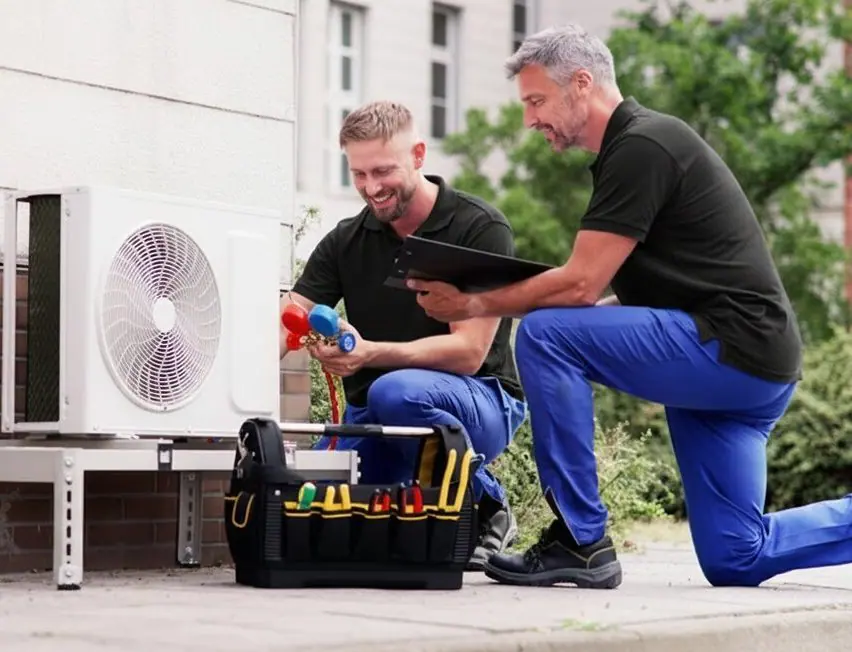
Professional technicians utilize specialized equipment, such as rotary brush lines, compressed air whips, and whole-home air purifiers, to purify your entire ventilation network safely.
Supplemental Strategies for Fresh Winter Air
Pair seasonal ventilation care with broader indoor air quality maintenance strategies to keep your living environment pristine:
- Incorporate Air-Purifying Houseplants: Place indoor plants like Snake Plants, Peace Lilies, and Spider Plants in common spaces to naturalize VOC removal.
- Groom Pets Regularly: Brush and wash household pets frequently during fall shedding cycles to minimize dander floating through living areas.
- Use Exhaust Fans When Cooking: Always operate kitchen range hoods and bathroom exhaust fans to eliminate excess moisture, smoke, and cooking grease.
- Vacuum with HEPA Filtration: Clean carpets, rugs, and upholstered furniture twice weekly using a vacuum equipped with a certified HEPA filter.
Summary & Key TakeawaysAutumn Air Quality Quick Summary
- Upgrade Air Filters: Install MERV 11 or MERV 13 filters before turning on your heater.
- Control Indoor Humidity: Keep relative humidity between 30% and 50% to prevent mold and dust mites.
- Deploy HEPA Filtration: Use standalone purifiers in bedrooms to capture floating allergens.
- Book Expert Services: Professional duct cleaning removes deep contaminants and mold spores.
Proactive seasonal care eliminates airborne pollutants, protects heating equipment, and maintains a healthy living environment for your household. Taking straightforward air quality steps today ensures fresh, warm, and comfortable indoor air throughout the entire fall and winter season.