Most homeowners don’t spend much time thinking about their water system when everything is working as it should. The shower runs, the laundry gets done, and the kitchen tap provides water whenever it’s needed. It’s only when something changes—a strange taste, mineral stains around the sink, or a drop in water pressure—that the system suddenly gets everyone’s attention.
Like other equipment around the house, water treatment systems need occasional care. Filters wear out, softeners require supplies, and small performance issues can develop gradually. Regular maintenance helps homeowners spot these changes before they become bigger inconveniences.
The good news is that looking after a water system doesn’t have to be difficult. With the right information, a sensible maintenance schedule, and access to reliable service, you can protect your equipment and get more consistent performance from it.
Start With a Clear Picture of Your Water Quality
Before choosing a treatment system or making changes to an existing one, it’s useful to understand what’s actually in your water. Problems that look similar on the surface can have very different causes. White deposits on faucets may point toward hard water, while reddish stains can be associated with iron. An unusual smell may have several possible explanations and shouldn’t automatically be blamed on the filter.
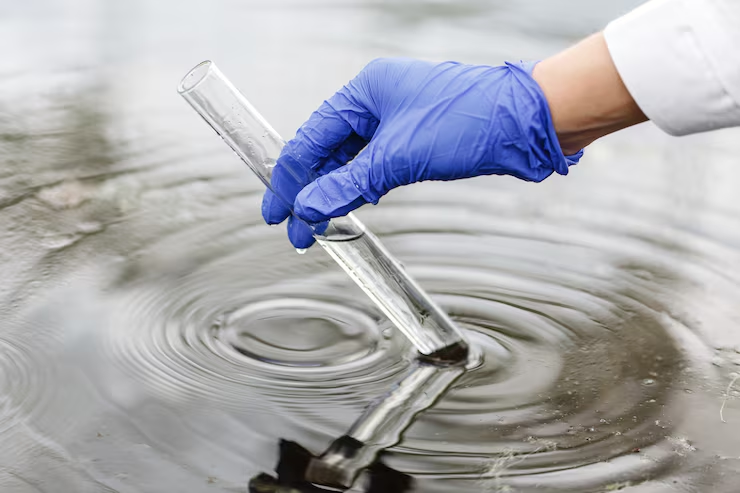
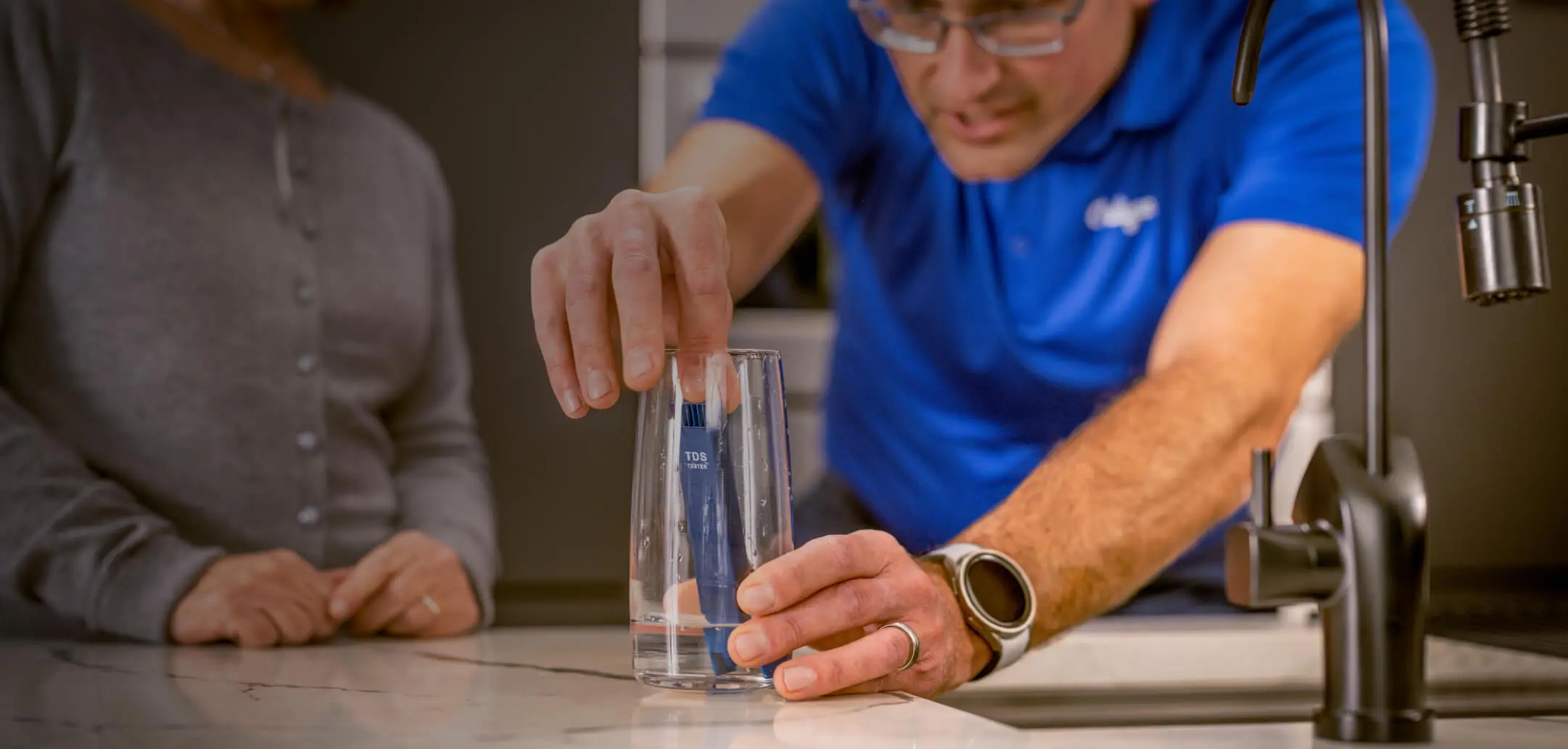
A free water test & consultation can give homeowners a practical starting point when a provider offers this service. Depending on the testing method and package, the assessment may examine factors such as hardness, pH, iron, or chlorine. Ask which parameters are included, whether the test is conducted on-site, and whether laboratory analysis is recommended for any specific concerns.
Testing is particularly important when the water comes from a private well. Unlike public supplies, private wells generally require owners to arrange their own routine testing. The appropriate tests depend on local conditions, the well’s construction, and potential sources of contamination.
It’s worth remembering that a basic screening isn’t necessarily a complete assessment of drinking-water safety. Some contaminants require specialized laboratory methods, and clear water isn’t proof that every possible concern has been ruled out.
Once the results are available, ask the technician to explain them in plain language. You should understand what the results indicate, which problems need attention, and whether treatment is necessary. A good consultation should leave you feeling informed, not pressured into buying the most expensive equipment available.
Why Regular Maintenance Makes a Difference
Installing a water treatment system is an important first step, but it isn’t the end of the process. Filters gradually collect particles and other substances, while components can wear down through regular use. Even a well-designed system may become less effective if routine maintenance is ignored.
Start by checking the manufacturer’s recommendations. Different systems have different requirements, so there’s no universal schedule that works for every home. A sediment filter may need replacement more frequently when the incoming water contains a lot of suspended particles, while other cartridges may last longer under normal conditions.
Water softeners need their own kind of attention. Depending on the model, homeowners may need to replenish salt, check settings, and arrange periodic servicing. If the water begins to feel different, mineral deposits return, or the system seems to regenerate more often than usual, it may be time to investigate.
Keeping a simple record can help. Write down installation dates, filter changes, service visits, and any unusual symptoms. It’s an easy habit, but it can make troubleshooting much quicker when a technician needs to understand what has happened over time.
Making Salt Replenishment Easier
For households with traditional salt-based water softeners, keeping the brine tank supplied is part of normal ownership. When the salt level becomes too low, the system may not regenerate as intended, which can eventually affect its ability to soften water.
That’s why salt delivery can be a useful service for homeowners who would rather not carry heavy bags from a store. It can be particularly convenient for people with busy schedules, limited storage space, or softeners that use salt regularly.
Before arranging a delivery service, check which salt type your softener manufacturer recommends. Not every product is suitable for every system, and using the correct type helps avoid unnecessary problems. Ask about bag sizes, delivery frequency, service areas, and whether the supplier can help estimate how much salt your household typically uses.
Avoid assuming that every softener needs the same amount. Salt consumption depends on the equipment, water hardness, household demand, and programmed regeneration settings. If your system seems to be using far more salt than usual, the answer may not be another delivery. It could be a sign that the settings or equipment need attention.
Also, don’t confuse salt delivery with maintenance. Having supplies on hand is helpful, but it doesn’t replace inspections or repairs when the system isn’t operating correctly.
Recognizing When Your System Needs a Tune-Up
Water treatment equipment often gives subtle warning signs before a complete breakdown. Water pressure may fall, unusual noises may develop, or the taste and smell of the water may change. With a softener, mineral spots might start returning even though the tank contains salt.
These symptoms don’t always point to the same cause. A pressure drop could involve a clogged filter, but it might also come from plumbing restrictions or another issue elsewhere in the property. A change in taste could indicate an overdue cartridge, but further testing may be necessary if the source of the change isn’t clear.
A scheduled water system tune-up gives a qualified technician an opportunity to inspect the equipment, review its settings, check accessible connections, and identify components that may need attention. The exact service should depend on the type of system and the manufacturer’s maintenance guidance.
During a service visit, ask the technician what was inspected and whether anything needs replacing soon. Request an explanation of any recommended repairs, including why they’re needed and whether they can safely wait. Clear communication helps you plan expenses instead of being surprised by an unexpected repair bill.
A tune-up is also a good time to review whether the system still suits your household. Family size, water use, and the quality of the incoming supply can change over time. Equipment that worked well years ago may need adjustments or a different maintenance approach today.
Don’t Ignore Leaks or Sudden Changes
Routine servicing helps, but some issues require attention sooner. A leak around a filter housing, a sudden change in water appearance, or an unexpected loss of pressure shouldn’t be left unattended.
If you notice a leak, follow the manufacturer’s instructions and shut off the appropriate water supply if it’s safe to do so. Keep water away from electrical equipment and avoid attempting repairs that require specialized knowledge. Contact a qualified technician when the source isn’t obvious or the problem continues.
If drinking water develops a sudden unusual taste, smell, or color, contact your water supplier or an appropriate water professional for advice. Where a contamination concern is possible, don’t rely on a routine filter change alone to establish that the water is safe.
Build a Simple Routine That Works
Caring for a water system becomes much easier when maintenance is part of the household routine rather than something remembered only after a problem appears. Keep the service manual accessible, note filter replacement dates, monitor salt levels where applicable, and schedule inspections according to the equipment’s requirements.
Choose service providers who explain their recommendations clearly and can answer questions without making unnecessary promises. Ask about service coverage, replacement-part availability, warranties, and the costs associated with ongoing care.
Good water treatment isn’t just about the equipment sitting in a utility room or beneath a kitchen sink. It’s about making sure that equipment continues to serve its purpose over time. With appropriate testing, regular maintenance, and timely professional support, homeowners can reduce avoidable hassles and feel more confident about the water they use every day.