A comfortable home depends on many things we rarely think about until something goes wrong. Clean water flows from the tap, hot showers make chilly mornings easier, and drains quietly carry wastewater away. Most days, plumbing works in the background without asking for attention. But when a pipe starts leaking or a drain becomes stubbornly clogged, even a small problem can disrupt the entire household.
Understanding essential plumbing services can help homeowners avoid unnecessary stress, prevent expensive repairs, and keep their properties in good condition. From routine maintenance to emergency repairs, knowing when to call a professional makes a real difference.
Why Regular Plumbing Maintenance Matters
It’s easy to ignore plumbing when everything appears to be working properly. Unfortunately, small problems don’t always stay small. A loose connection beneath the kitchen sink, for example, might seem harmless at first. Over time, however, that slow drip can damage cabinets, encourage mold growth, and increase your water bill.
Regular plumbing inspections help identify these issues before they become major headaches. A qualified plumber can check exposed pipes, faucets, drainage systems, water pressure, and other important components. They may also notice corrosion or early signs of wear that aren’t obvious to an untrained eye.
Homeowners can handle a few simple maintenance tasks themselves, too. Cleaning faucet aerators, checking under sinks for moisture, and avoiding grease in kitchen drains are practical habits that don’t require special equipment. Still, complicated repairs are best left to trained professionals.
Think of plumbing maintenance as looking after your car. Waiting until something breaks might seem convenient, but prevention is usually less expensive than dealing with a complete failure.
Reliable Hot Water Makes Everyday Life Easier
Few household problems are as frustrating as turning on the shower and discovering there’s no hot water. Whether you’re preparing for work or trying to wash dishes after dinner, a dependable hot water system is essential to daily comfort.
Modern water heaters come in several types, including conventional storage-tank models and tankless systems that heat water on demand. The right choice depends on your household’s size, available space, energy preferences, and budget.
Traditional tank heaters store heated water for immediate use, while tankless units warm water as it passes through the system. Tankless models can offer energy-saving advantages in suitable homes, although their performance depends on the required flow rate and the temperature of incoming water.
Maintenance matters regardless of which system you own. Sediment can accumulate inside storage tanks, heating elements may wear out, and valves or connections can develop problems. Having the unit inspected according to the manufacturer’s recommendations can improve reliability and help identify potential safety concerns.
If your hot water suddenly becomes inconsistent, don’t automatically assume the entire heater needs replacing. A professional can determine whether the cause is a faulty thermostat, heating element, plumbing issue, or something more serious.
Finding Hidden Leaks Before They Cause Damage
Water leaks aren’t always dramatic. Sometimes there’s no burst pipe or obvious puddle on the floor. Instead, you might notice a musty smell in a cupboard, peeling paint near a wall, unexplained dampness, or a water bill that seems unusually high.
These warning signs deserve attention. Water can travel behind walls, beneath flooring, and through ceilings before the damage becomes visible. By then, repairs may involve more than simply replacing a pipe.
Professional leak detection helps locate the source of a problem without unnecessary damage to your property. Depending on the situation, plumbers may use moisture meters, acoustic listening equipment, thermal imaging, or pressure testing to narrow down the affected area.
Homeowners can also perform a simple check by observing their water meter when no water is being used. If the meter continues moving, a leak may be present, although some plumbing systems and appliances require additional investigation.
Never ignore a suspected leak just because the affected area looks relatively dry. Early action can protect walls, flooring, furniture, and the structure of your home.
If water is actively escaping, shut off the relevant supply valve if it’s safe to do so. For a major leak, use the main water shutoff and contact a plumber promptly. If water reaches electrical outlets or appliances, stay clear of the affected area and seek appropriate professional assistance.
Clearing Stubborn Drains Without Making Things Worse
A slow-draining sink often begins as a minor annoyance. You might notice water pooling around the kitchen drain or a bathroom basin taking longer than usual to empty. Eventually, the blockage may become complete.
Common causes include hair, soap residue, food scraps, grease, and mineral deposits. In some cases, the problem lies deeper inside the drainage system, where household plungers and basic cleaning methods can’t reach it.
Professional plumbers use different techniques depending on the blockage. Drain snakes can break apart or retrieve certain obstructions, while mechanical cleaning tools may help remove accumulated debris.
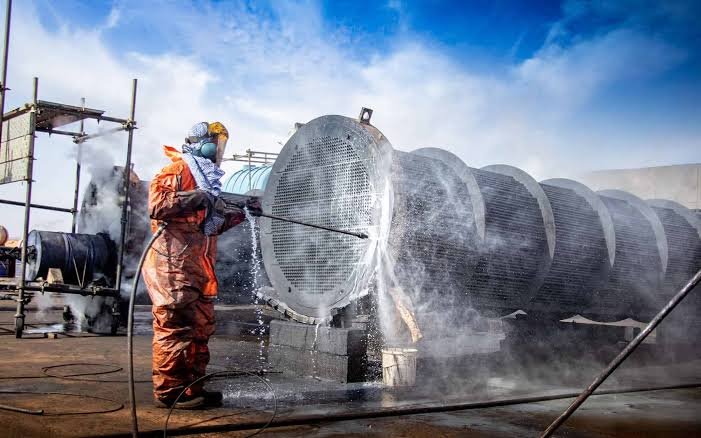
For more persistent problems, hydro jetting can provide a thorough cleaning option. This method uses specialized equipment to direct high-pressure water through suitable pipes, removing grease, sludge, and other buildup from the interior surfaces. However, it’s not appropriate for every plumbing system. Older, damaged, or fragile pipes may require inspection and a different approach before high-pressure cleaning is considered.
Avoid relying on harsh chemical drain cleaners as a routine solution. Some products can damage certain plumbing materials, and they may create hazards when mixed with other cleaning chemicals. If a drain keeps clogging despite reasonable maintenance, finding the underlying cause is more useful than repeatedly treating the symptoms.
Protecting Your Plumbing During Seasonal Changes
Changes in weather can affect household plumbing in different ways. In colder climates, exposed pipes may freeze and potentially burst. In warmer regions, heavy rainfall, ground movement, or increased water use can place additional demands on plumbing and drainage systems.
Before periods of extreme weather, check exposed pipes, outdoor taps, and visible connections for signs of damage. Insulating vulnerable pipes can help reduce freezing risks where low temperatures are common. In areas affected by monsoon rainfall, maintaining outdoor drains and checking for drainage problems can help prevent water from collecting around the property.
Water pressure deserves attention as well. Pressure that’s consistently too high can place unnecessary strain on pipes, valves, washing machines, and other connected appliances. A plumber can measure the pressure and recommend suitable adjustments when needed.
It’s also worth knowing where your main water shutoff valve is located. In an emergency, finding it quickly can limit water damage while you wait for professional help.
Choosing a Plumbing Professional You Can Trust
When plumbing trouble appears, the first available service isn’t always the best choice. Look for a professional with relevant experience, appropriate licensing where required, and clear communication about the proposed work.
Ask for an explanation of the problem, the available repair options, and an estimate before major work begins. A trustworthy plumber should be willing to explain why a repair is necessary rather than pushing you toward the most expensive solution.
It helps to consider long-term value, too. The cheapest repair may not be the best investment if it fails again within a few weeks. Quality materials, proper installation, and careful workmanship can save money over time.
For urgent situations, such as a burst pipe, overflowing sewage, or a major leak, prioritize a prompt response. Keep the plumber’s contact details somewhere accessible rather than searching for a service in the middle of a stressful emergency.
Small Habits Can Prevent Big Plumbing Problems
A reliable plumbing system doesn’t require constant attention, but it does benefit from a little care. Watch for unusual noises, dripping faucets, slow drains, changes in water pressure, and unexpected increases in water consumption. These small clues can reveal problems before they become expensive repairs.
Use drains appropriately, maintain your hot water system, and arrange professional inspections when something doesn’t seem right. Most importantly, don’t hesitate to ask questions when a repair is needed. Understanding what’s happening inside your home makes it easier to make sensible decisions.
Good plumbing is about more than convenience. It protects your property, supports everyday hygiene, and gives your family one less thing to worry about. With sensible maintenance and help from qualified professionals when necessary, you can keep your home’s water systems working efficiently for years to come.