Ever wondered why your freshly washed glasses look cloudy or why your morning cup of tea has a slightly unusual taste? Water quality can influence everyday experiences in ways we don’t always recognize. From stubborn bathroom stains to unpleasant drinking water flavors, these little frustrations can gradually become part of the household routine.
Investing in suitable water filtration and softening solutions can help address these concerns at their source rather than constantly dealing with their consequences.
However, filtering water and softening it aren’t quite the same thing. Each process serves a different purpose, and understanding that distinction can help you avoid unnecessary purchases. The goal is finding treatment that makes sense for your property, your budget, and the way your family uses water.
Understanding the Difference Between Filtration and Softening
People often assume that a water filter can handle virtually any water quality problem. Unfortunately, it’s not quite that simple.
Filtration generally involves reducing specific unwanted substances through mechanical filters, activated carbon, membranes, or specialized treatment media. Depending on the technology, filtration can address suspended particles, unpleasant odors, and certain dissolved contaminants.
Water softening, on the other hand, primarily focuses on reducing calcium and magnesium, the minerals responsible for hardness.
If your main concern is chalky residue around faucets, a standard carbon filter probably won’t solve the problem. Similarly, a conventional softener isn’t designed to remove every substance that might affect drinking water quality.
Knowing what each technology accomplishes makes choosing equipment considerably easier.
Why Your Water Deserves an Individual Treatment Plan
Two homes on the same street can have different water quality concerns. Existing plumbing, household consumption, and the original water source can all influence treatment requirements.
Properly selected water treatment systems should reflect these differences rather than follow a generic approach.
A family experiencing excessive hardness might benefit from conventional ion-exchange softening. Another household dealing with suspended particles and unpleasant odors may require a combination of sediment and carbon filtration.
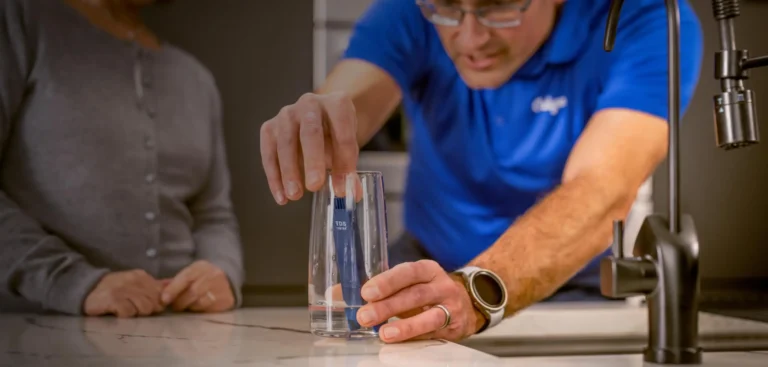
Professional testing provides valuable information about which substances are present and whether additional treatment is appropriate.
There’s little point in spending money on sophisticated equipment that doesn’t address your primary concern. Sometimes, a straightforward solution is all you really need.
Exploring Different Ways to Improve Your Water Supply
Shopping for filtration equipment can become overwhelming. There are countless products available, each with different specifications, maintenance requirements, and advertised benefits.
When comparing water treatment and filtration options, consider what you genuinely want to achieve rather than focusing exclusively on the number of treatment stages.
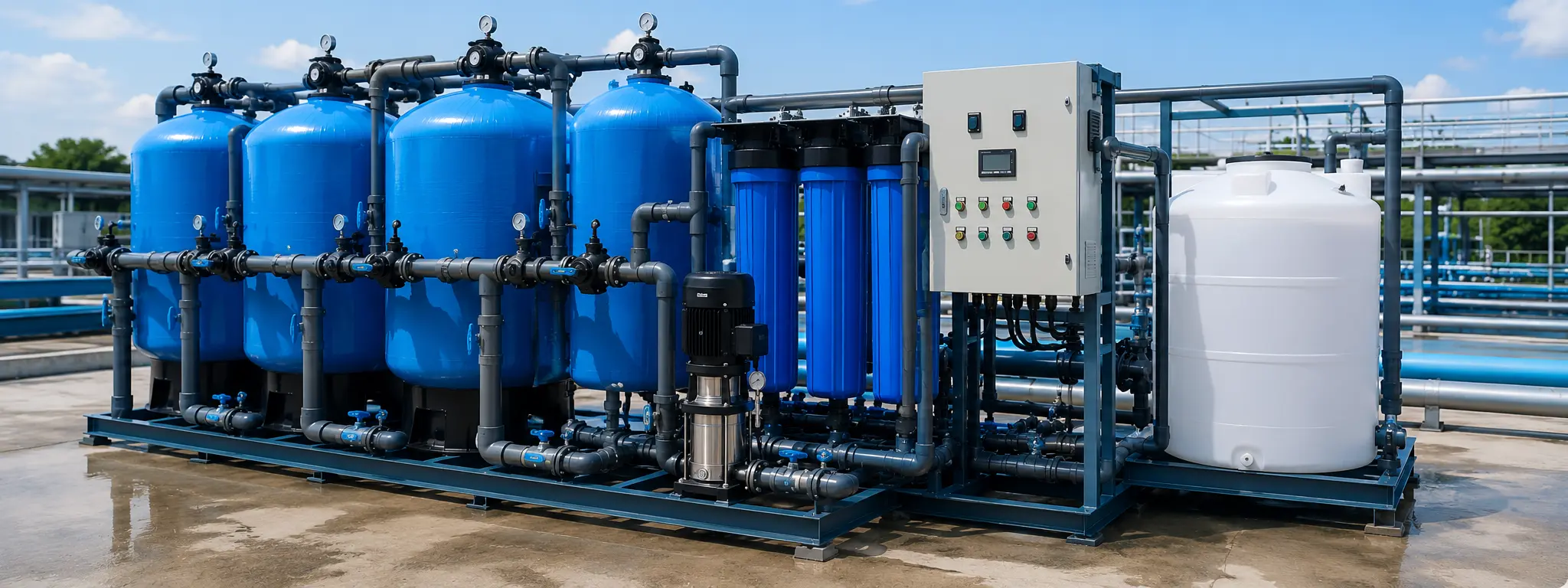
Sediment filters capture suspended materials such as sand and rust particles. Activated carbon helps reduce certain unwanted tastes and odors, while reverse osmosis uses membrane technology to reduce many dissolved substances.
Specialized equipment may also be appropriate for iron, manganese, or microbial concerns.
Depending on testing results, combining several technologies might deliver more useful results than relying on a single treatment method.
The right arrangement should address your needs without making maintenance unnecessarily complicated.
Helping Your Household Appliances Perform More Reliably
Nobody enjoys discovering that their dishwasher needs repairing or their water heater requires unexpected servicing. These expenses always seem to arrive when the household budget is already stretched.
Excessive hardness can contribute to mineral scale formation inside water-heating equipment, potentially interfering with heat transfer. Suspended particles may also accumulate inside appliance inlet screens and valves.
Appropriate treatment helps reduce the materials responsible for these problems.
Although filtration and softening cannot automatically reverse existing damage, they can complement regular appliance maintenance.
If you’re planning to renovate your kitchen or replace older household equipment, assessing incoming water quality beforehand could be a sensible precaution.
Looking after what you already own often makes more financial sense than waiting until something breaks.
Making Everyday Cleaning and Cooking More Enjoyable
There’s something satisfying about pulling freshly washed towels from the dryer or enjoying a quiet cup of coffee before the rest of the household wakes up.
Water quality can influence both experiences.
Softer water may improve the performance of certain soaps and detergents, while suitable drinking water filtration can help reduce distracting flavors.
Fewer new mineral deposits may also make bathroom cleaning more manageable.
These aren’t necessarily dramatic improvements, but consider how frequently you wash clothes, prepare meals, and clean household surfaces.
Over time, making these ordinary activities a little easier can bring meaningful benefits to your family’s daily routine.
Considering Maintenance Before Making a Purchase
It’s easy to become excited about installing new equipment and overlook what happens afterward.
Sediment cartridges eventually become clogged, carbon filters have limited treatment capacity, and conventional softeners require regenerating salt.
Before choosing equipment, ask about replacement component expenses, servicing schedules, documented treatment performance, and installation accessibility.
Consider your household’s water consumption and peak demand, too. An undersized system may struggle during particularly busy periods.
Private well owners should maintain regular laboratory testing schedules, including annual assessments for bacteria and nitrate.
Remember that pleasant taste and clear appearance alone cannot establish drinking water safety.
A dependable treatment arrangement should provide practical benefits without becoming another demanding household responsibility.
Creating a Better Relationship With Your Household Water
Improving water quality doesn’t need to involve expensive renovations or complicated lifestyle changes. It begins with understanding your water supply and recognizing which concerns genuinely deserve attention.
With reliable testing, thoughtfully selected equipment, and consistent maintenance, homeowners can make informed decisions that support everyday comfort and responsible property ownership.
Perhaps you’ll spend less time removing mineral deposits, enjoy better-tasting beverages, or find household cleaning a little easier.
Water quietly supports almost everything that happens under your roof. Giving its quality proper attention is an investment in those ordinary moments that make a house feel like home.
Sometimes, the most worthwhile improvements aren’t the ones that attract the most attention. They’re the ones that quietly make everyday life more enjoyable, one simple routine at a time.